

The natural features of the Drniš region are shaped by the combination of mountains, karst terrain and river areas that surround the town. The most recognisable landmark is Mount Promina, while the Krka River and its waterfalls create a completely different, water-shaped landscape.
This area stands out for its diversity from rocky terraces and viewpoints to canyons, forests and flowing water.
Nature here is not heavily arranged or emphasised; it retains its original, simple character.
Such a combination gives Drniš a distinctive atmosphere, familiar to anyone who finds themselves between the mountain and the river.
The natural beauty of Drniš is defined by the combination of Mount Promina, the Krka River and the karst hinterland, which together form a diverse and authentic landscape.
Share




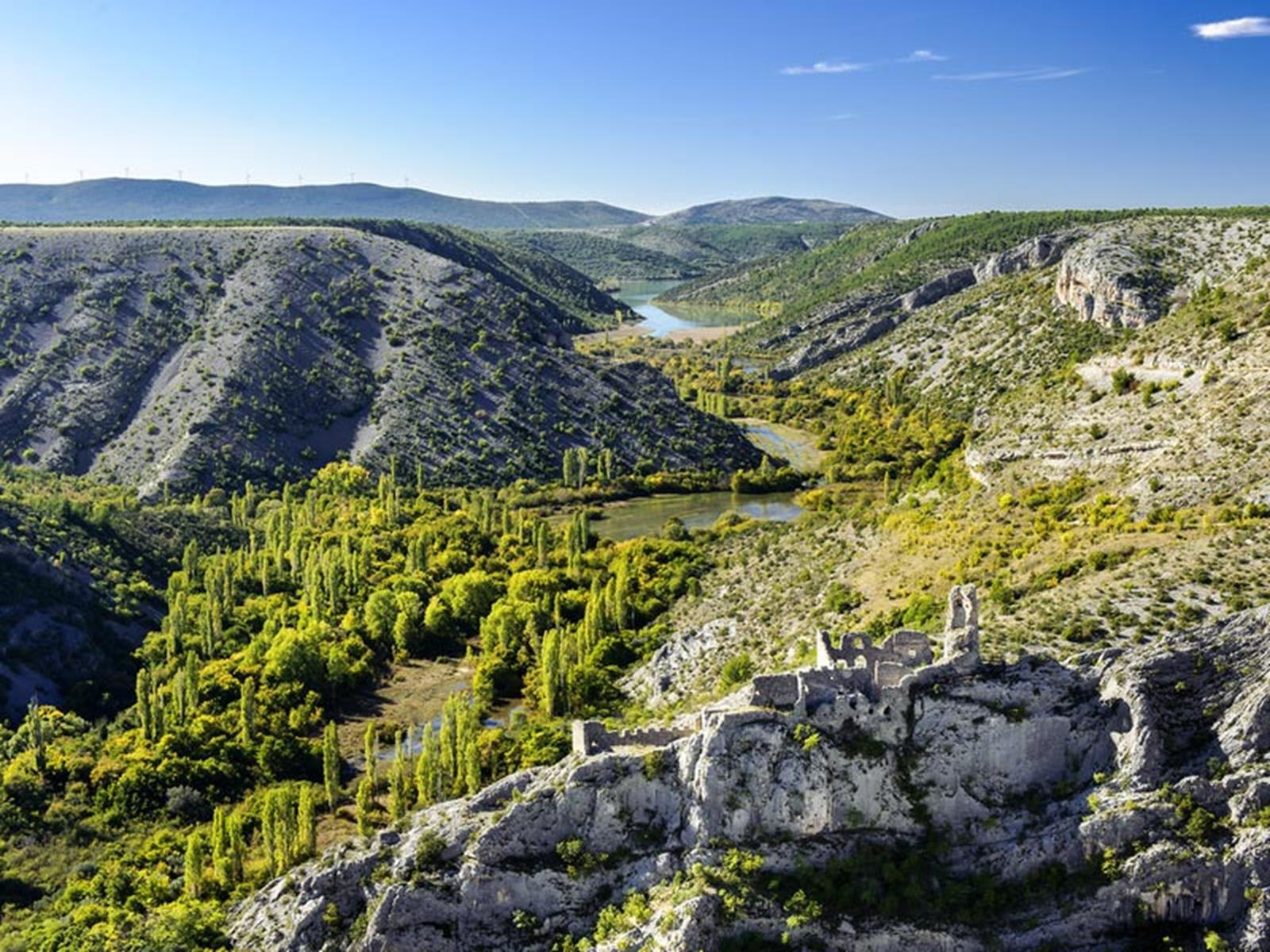
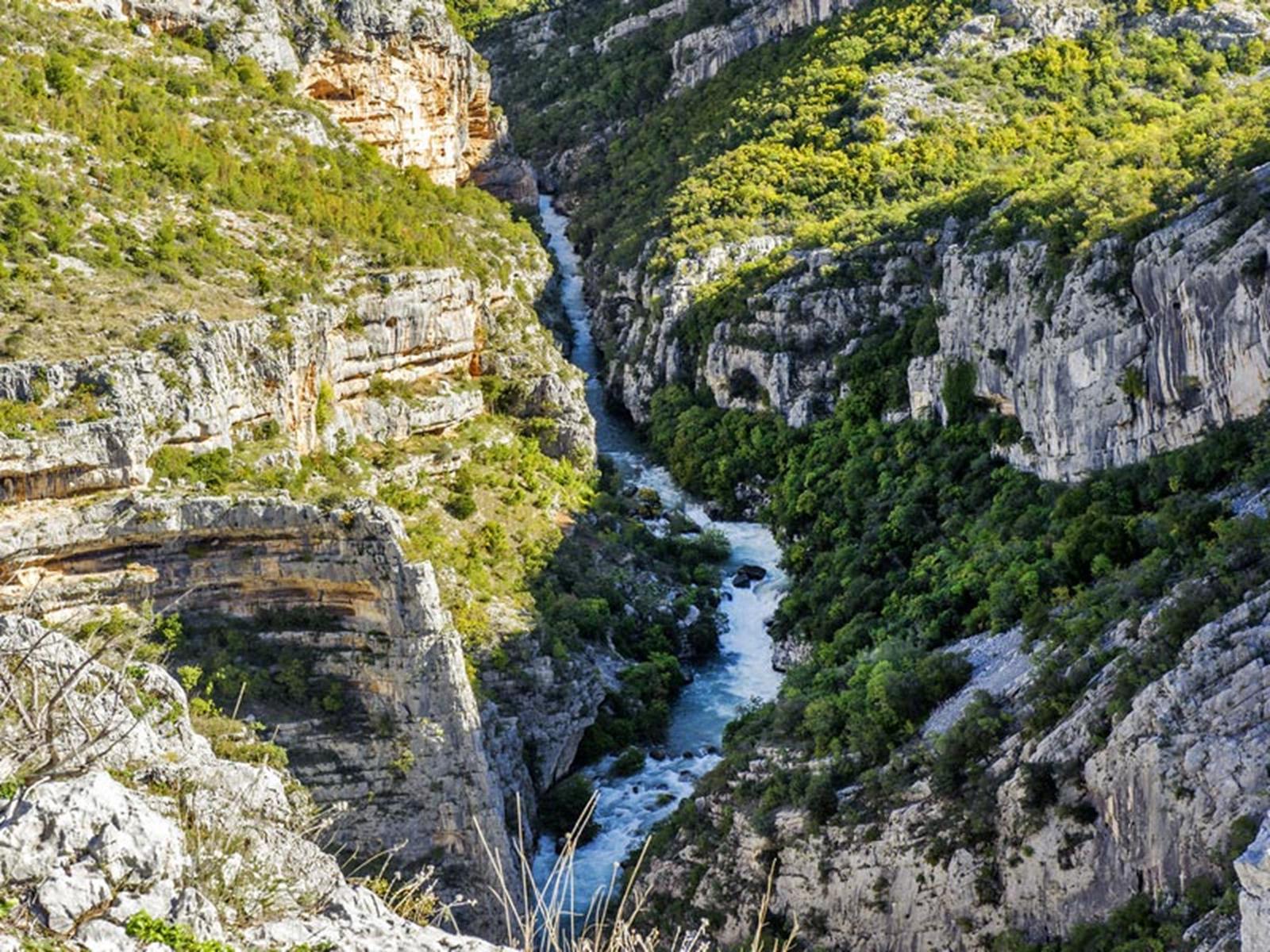
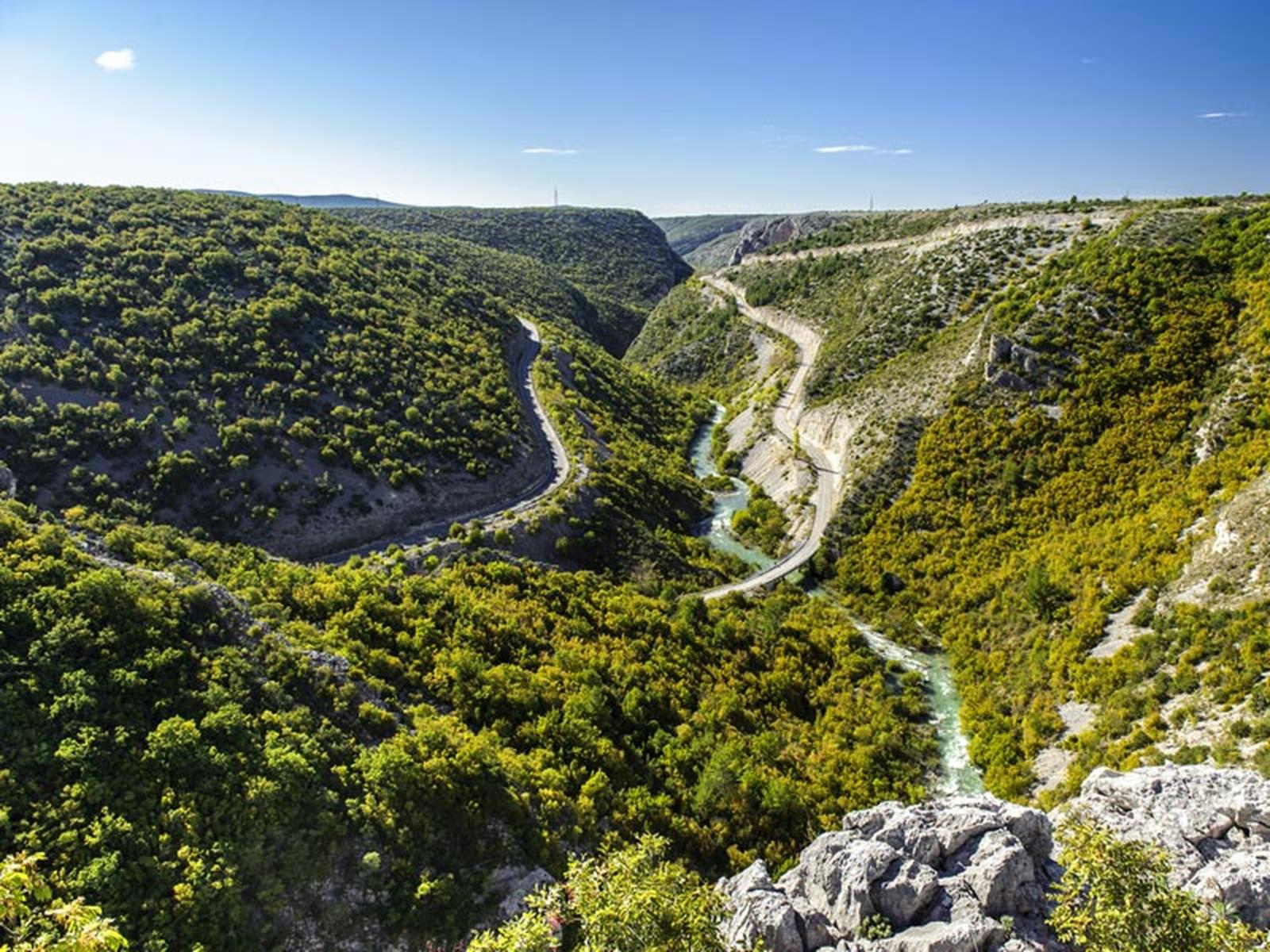
THE ČIKOLA CANYON
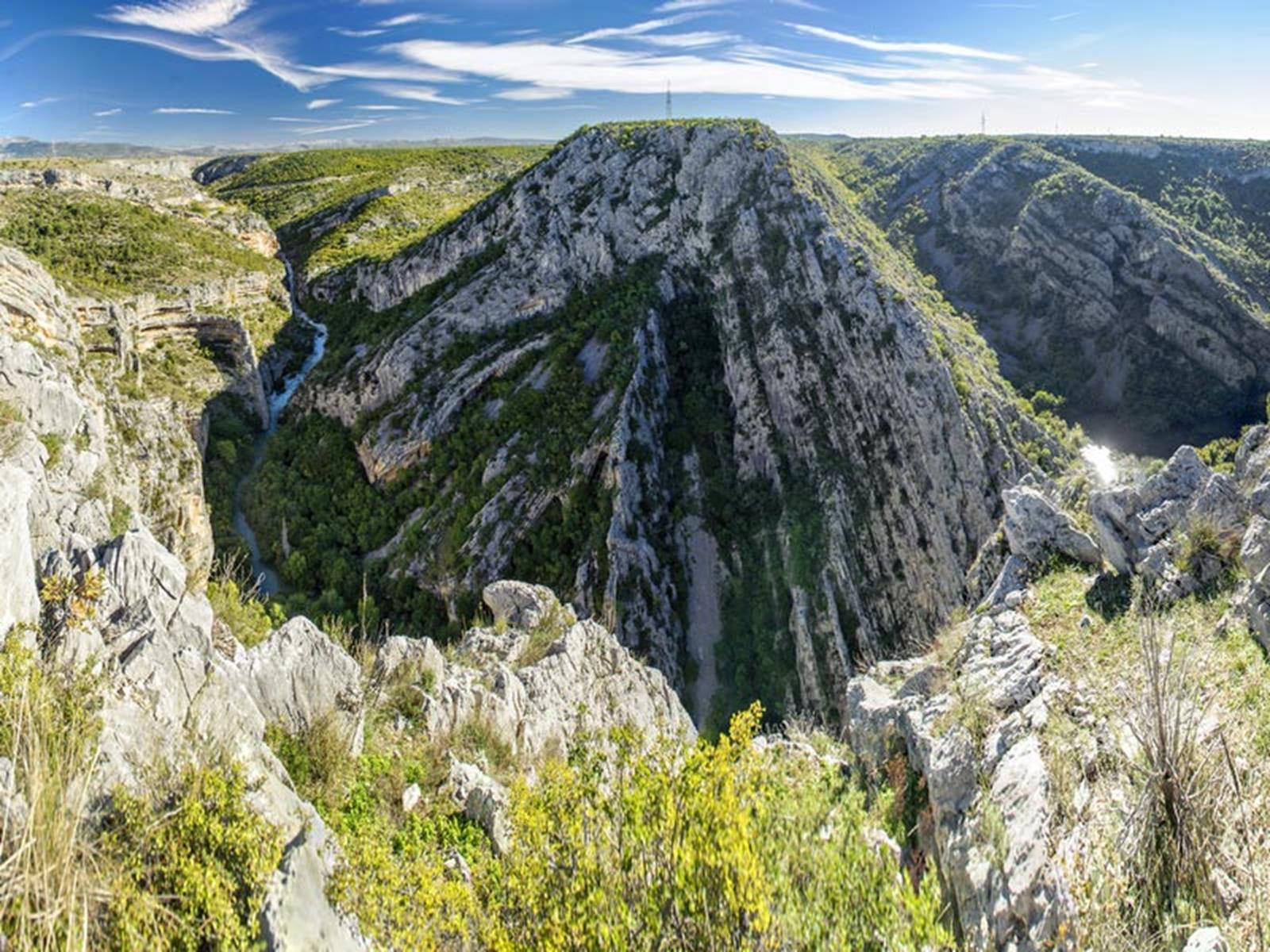
The Čikola Canyon is one of the most recognisable natural areas of the Drniš region, known for its steep cliffs, karst formations, and the calm green zones along the river.
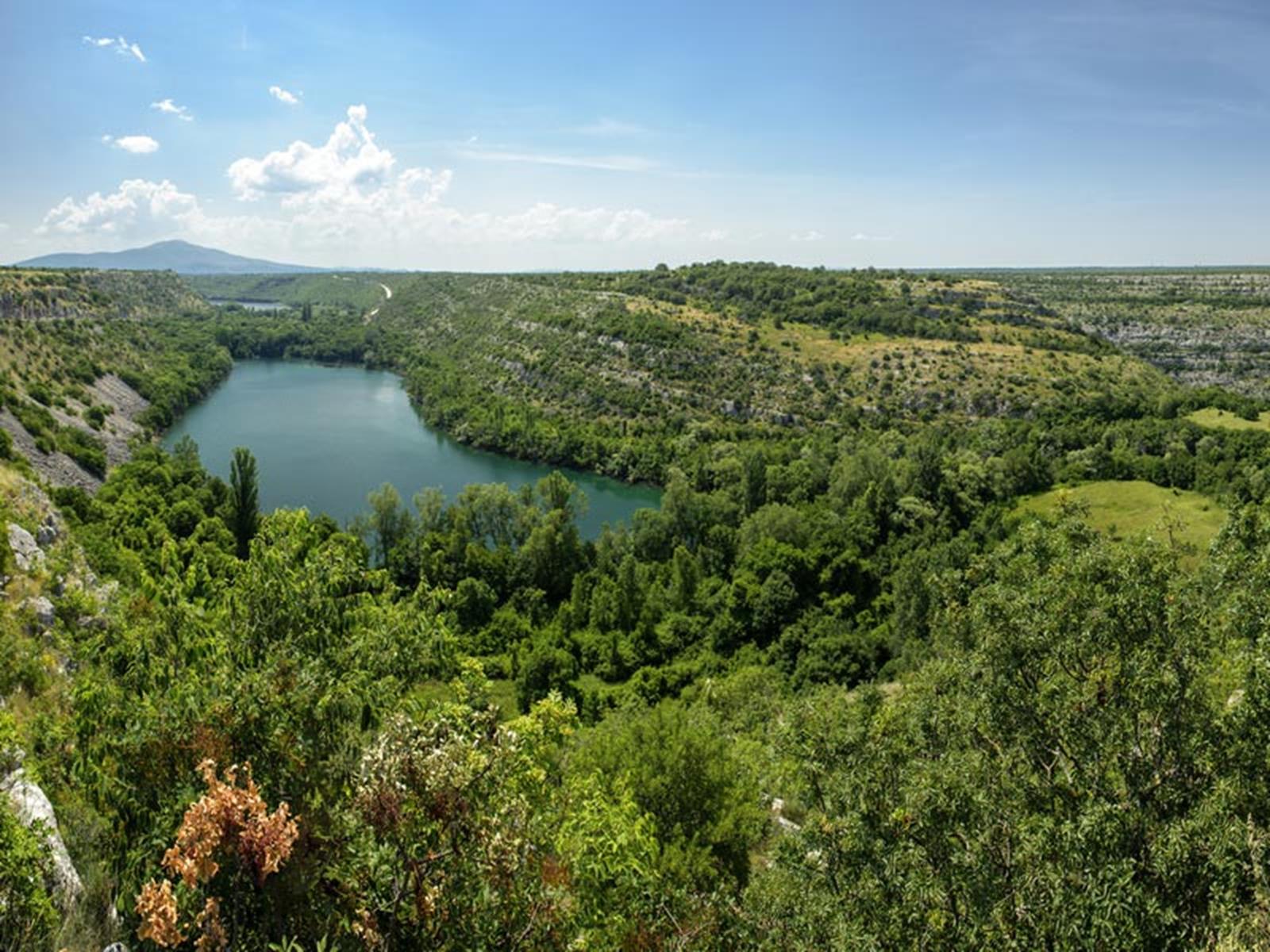
The canyon of the Čikola River stretches south of Drniš, creating one of the most striking landscapes of this area. Steep cliffs, high rock faces, and karst shapes reveal the force of nature that has formed this terrain. In its deeper sections, the canyon appears dramatic, while towards the flatter fields it opens into calmer, wider spaces.
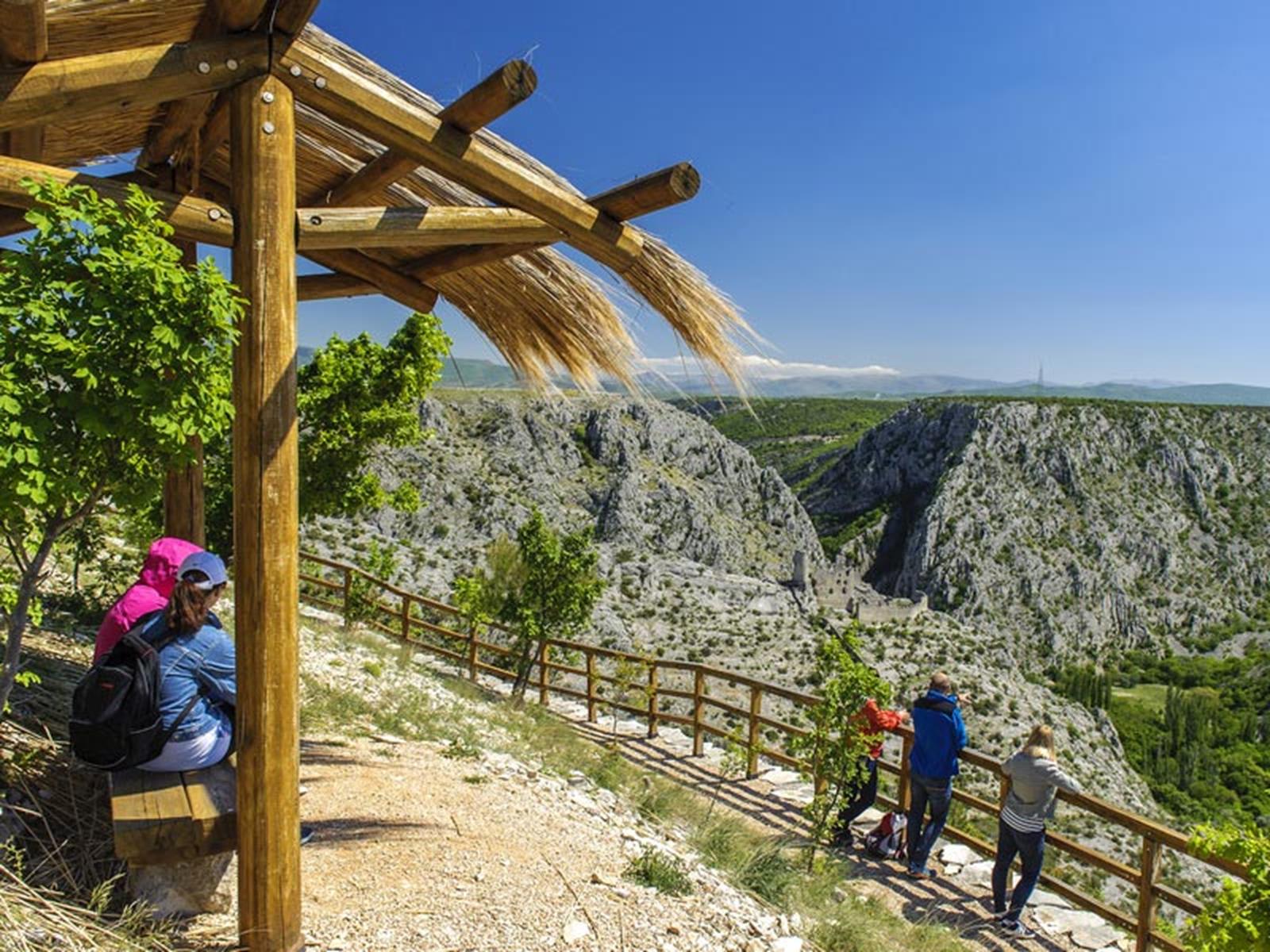
The area around the canyon combines karst, woodland, and a river flow that changes throughout the year. Lookout points can be found along the cliffs, and some caves show traces of early human settlement, adding further significance to this landscape.
Today, the Čikola Canyon is popular for its accessibility and natural diversity. Paths and outdoor activity areas allow visitors to experience the landscape up close. The canyon remains an important part of Drniš’s identity and one of the places that leaves a strong and lasting impression.
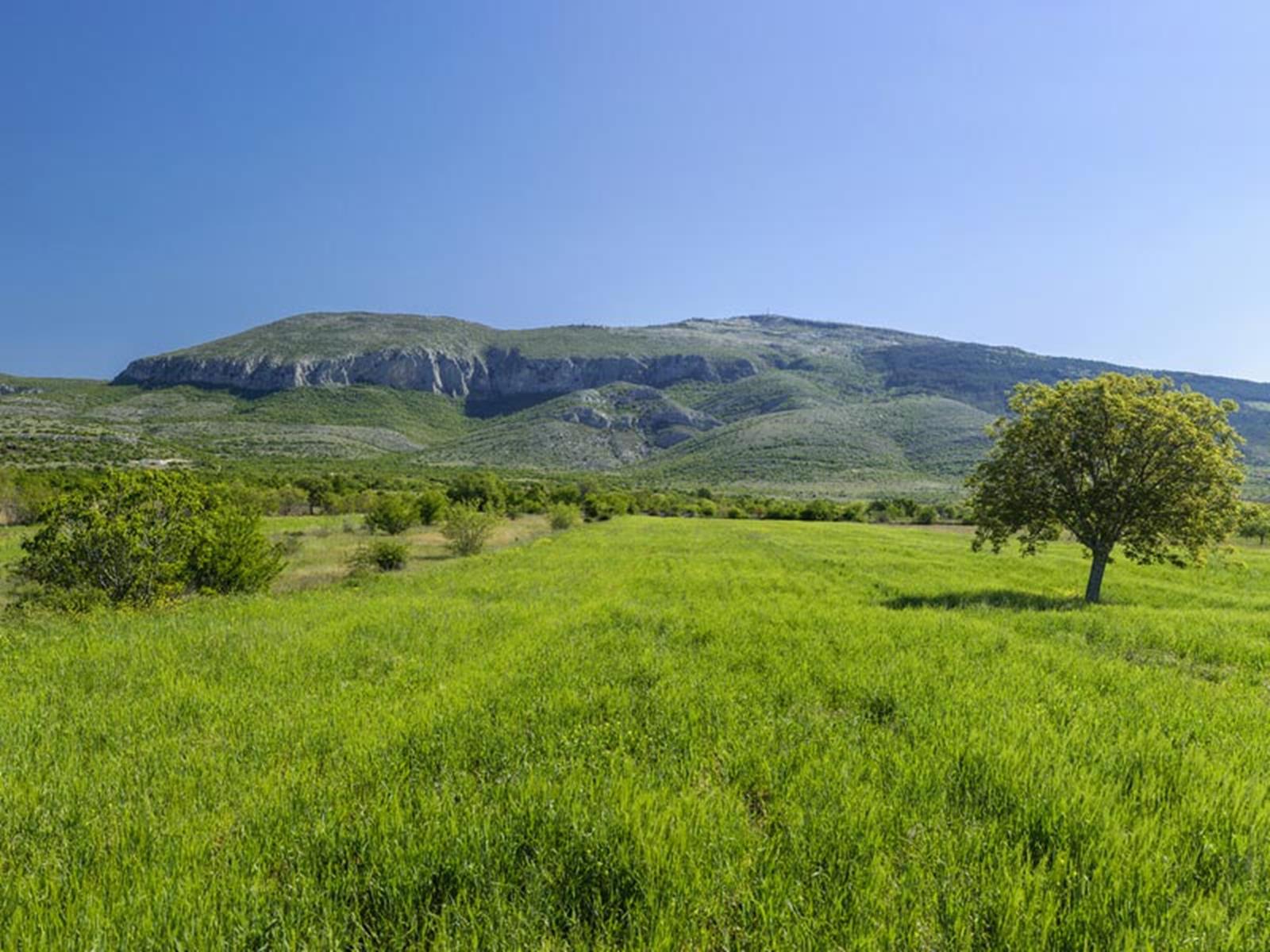
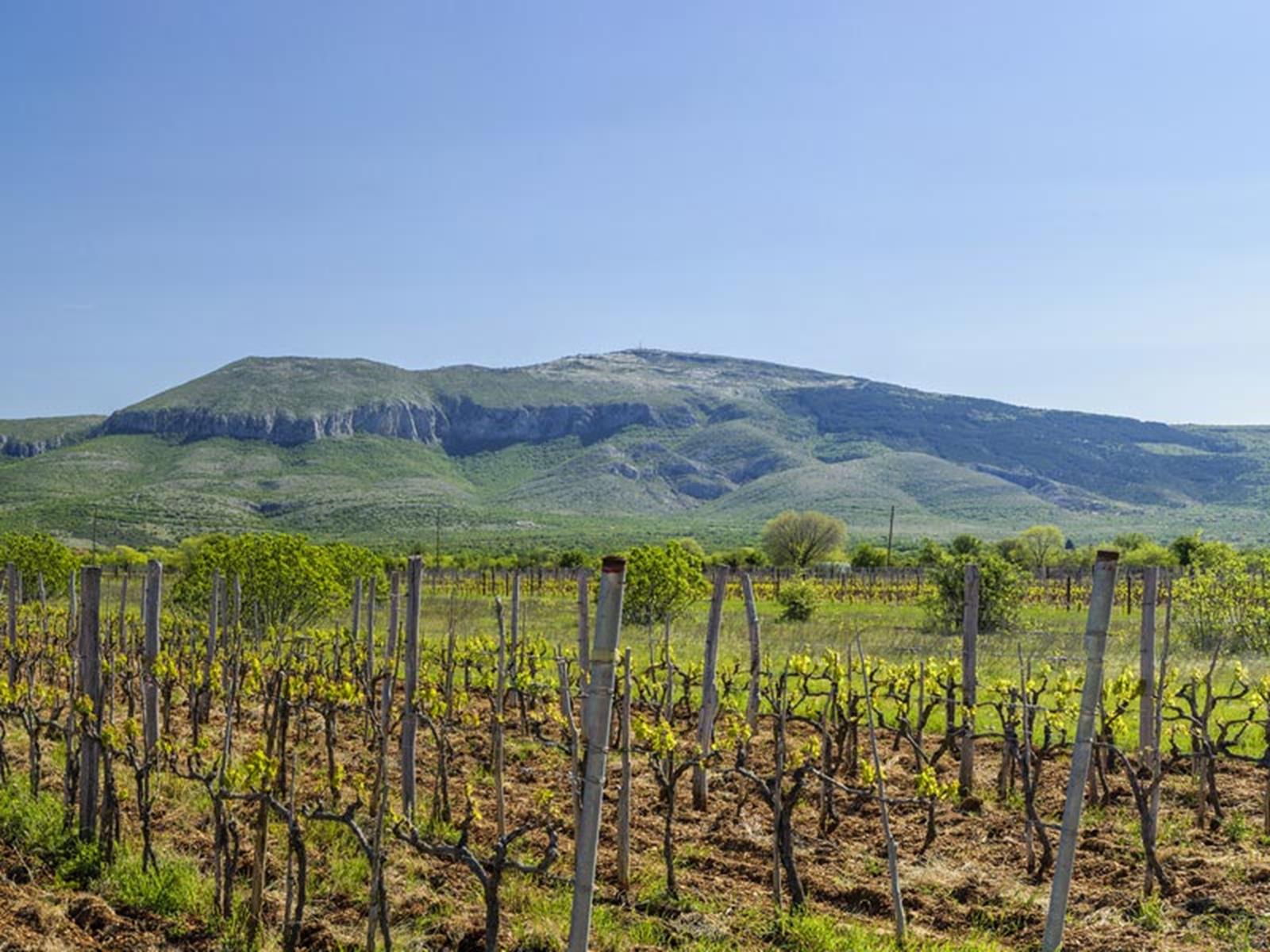
Mount Promina
Promina is the most prominent natural landmark of the Drniš area.
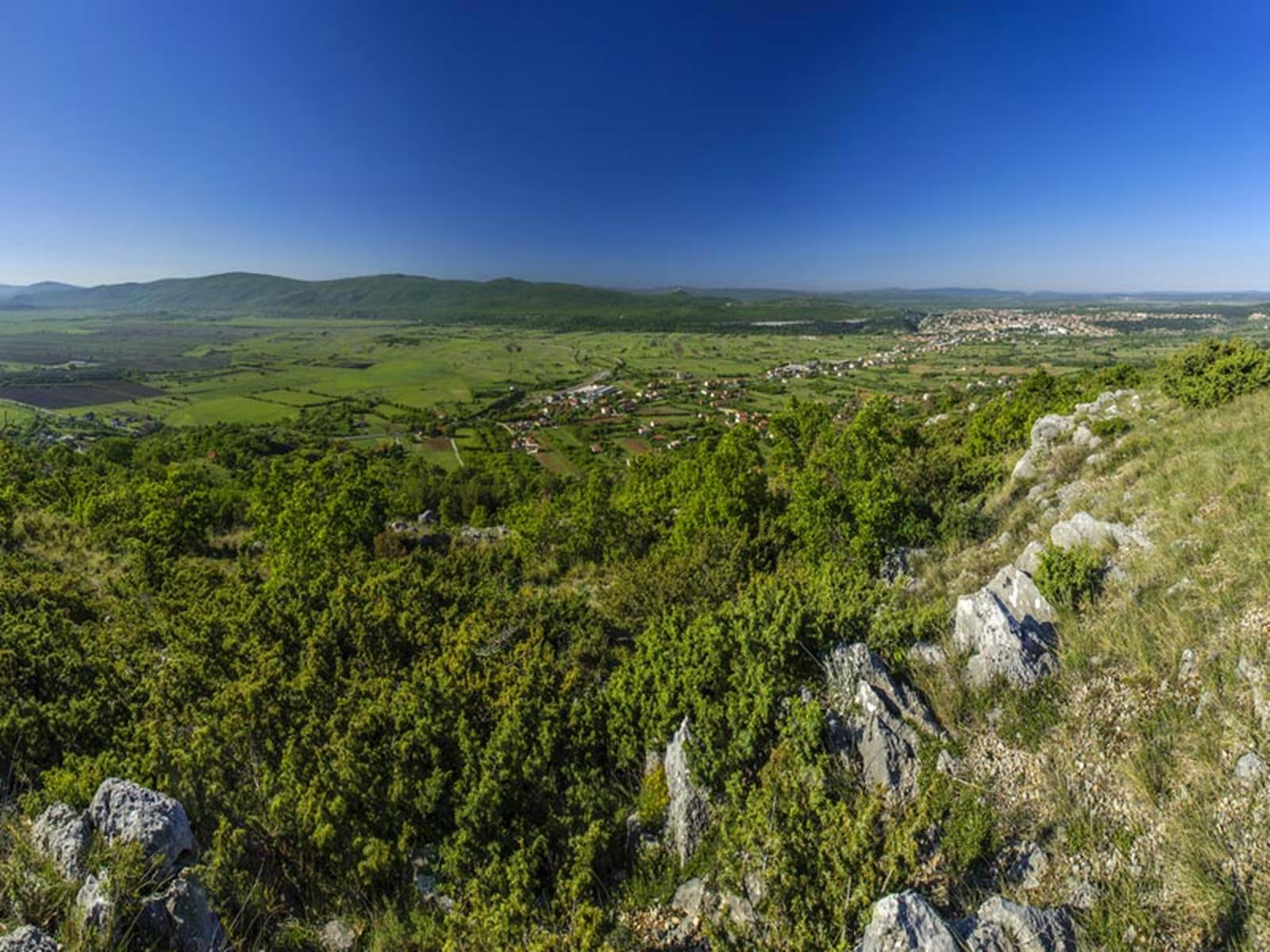
The mountain rises above the town, offering wide views of the surrounding landscape. Trails lead to the summit through forest, rocky sections and open ground, giving an insight into the different landscape forms that shape this region.
The highest peak of Promina provides a panorama that includes Drniš, the Krka valley and, on a clear day, parts of the Šibenik area. Because of its position, the mountain is a popular destination for hikers and visitors who want to experience the region from a different perspective.
Promina is part of the town’s everyday life visible from almost every part of Drniš, constantly present in the background and important in shaping the identity of this region.
The Krka River and its waterfalls
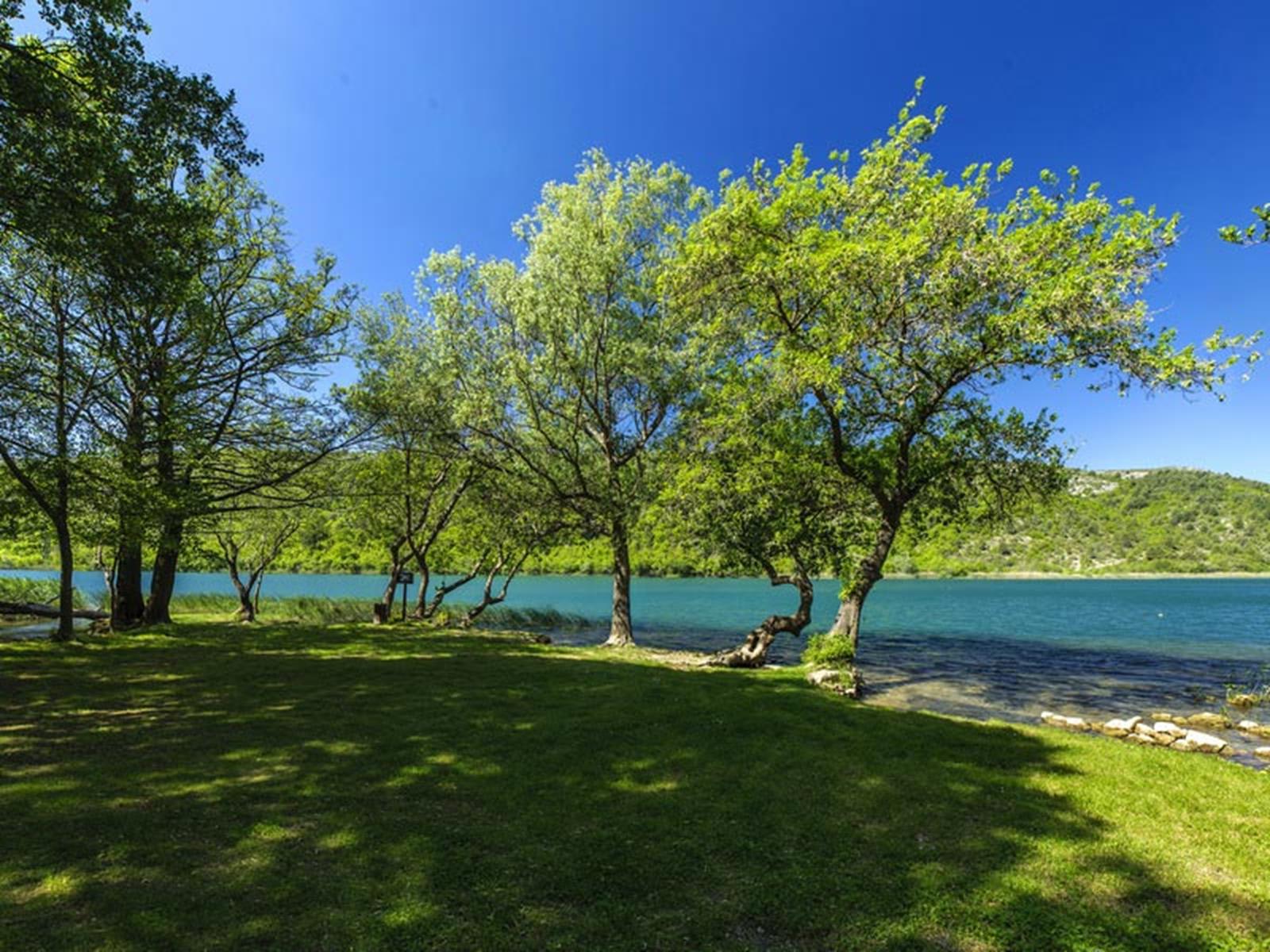
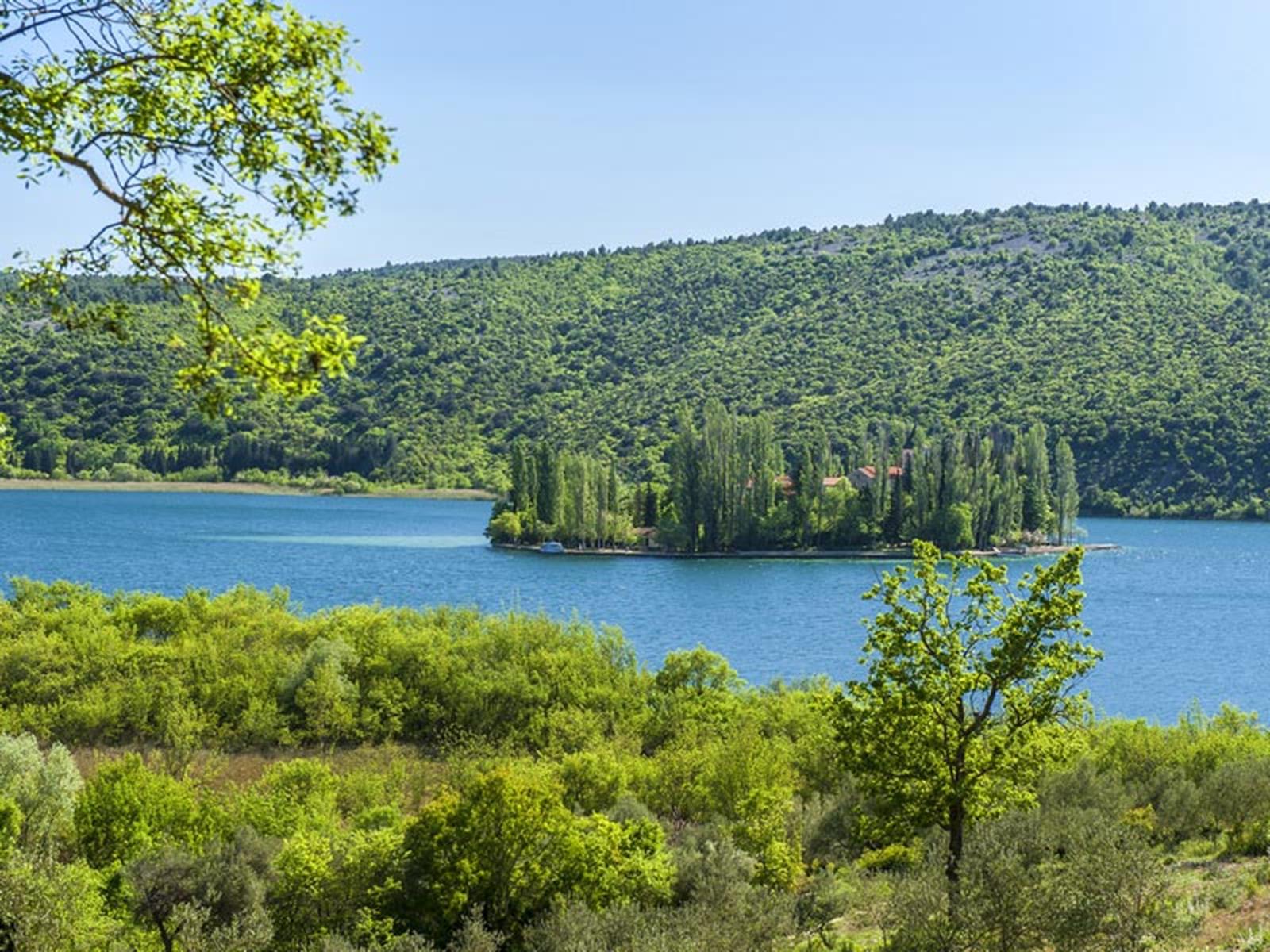
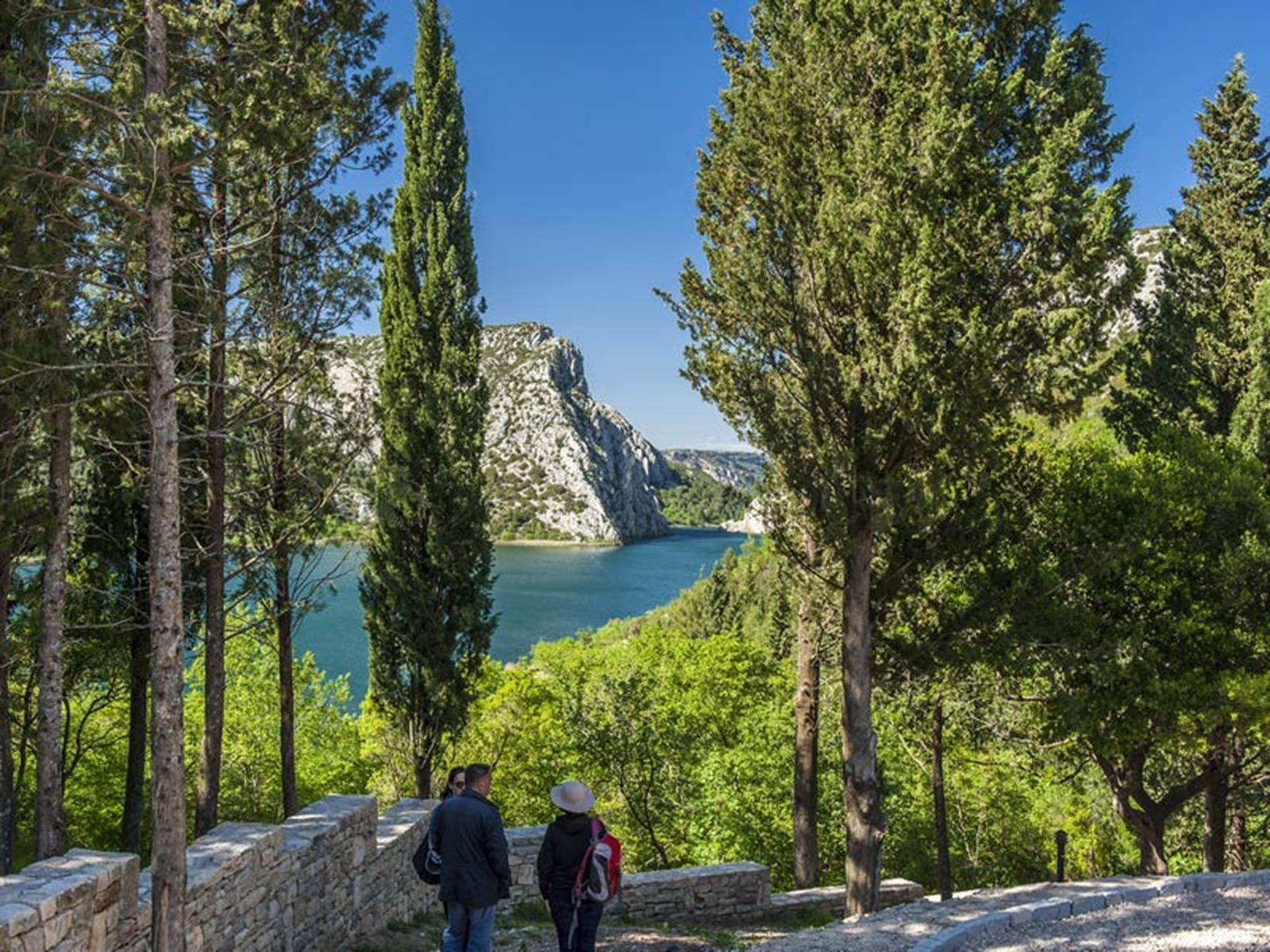
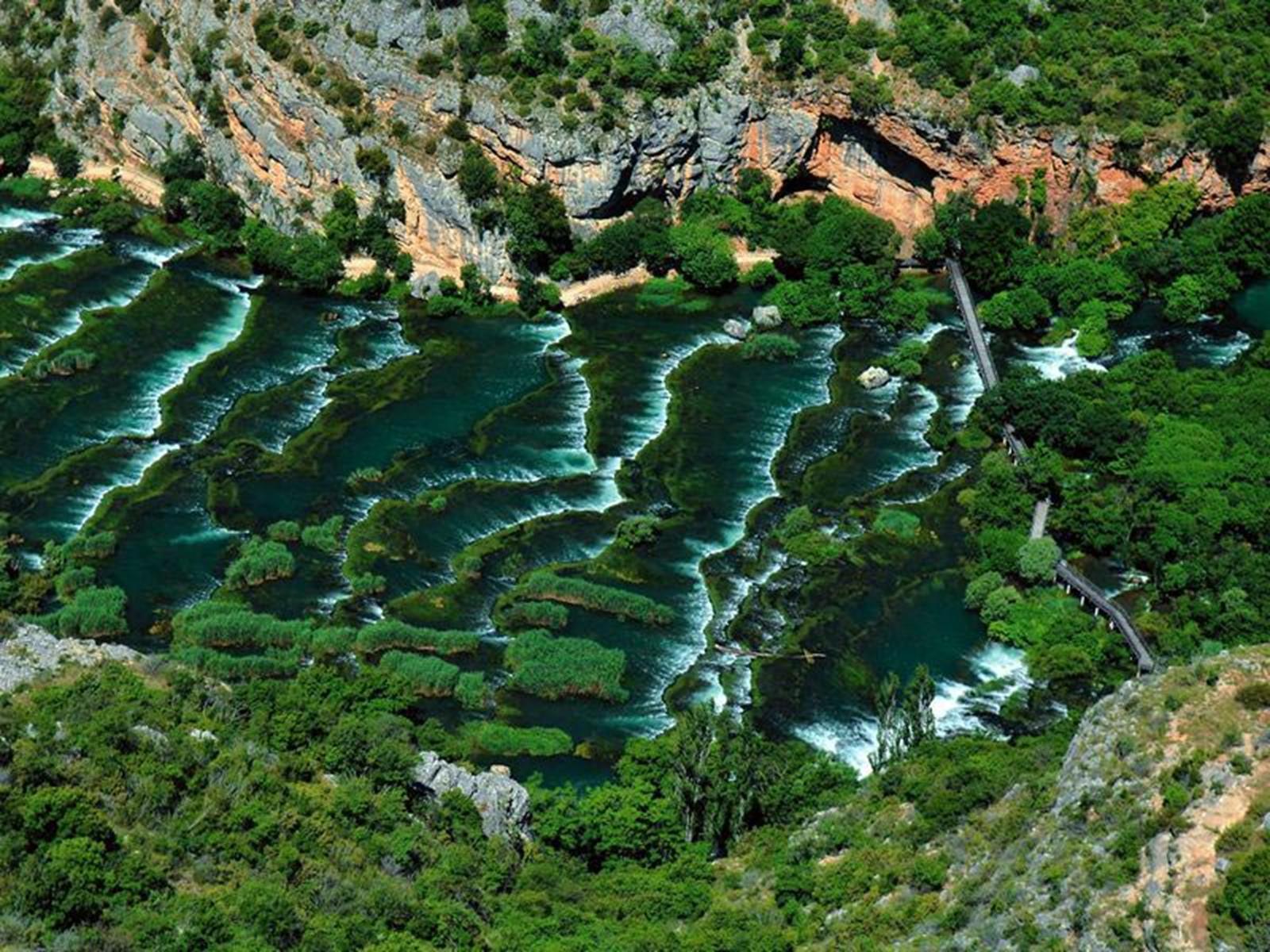
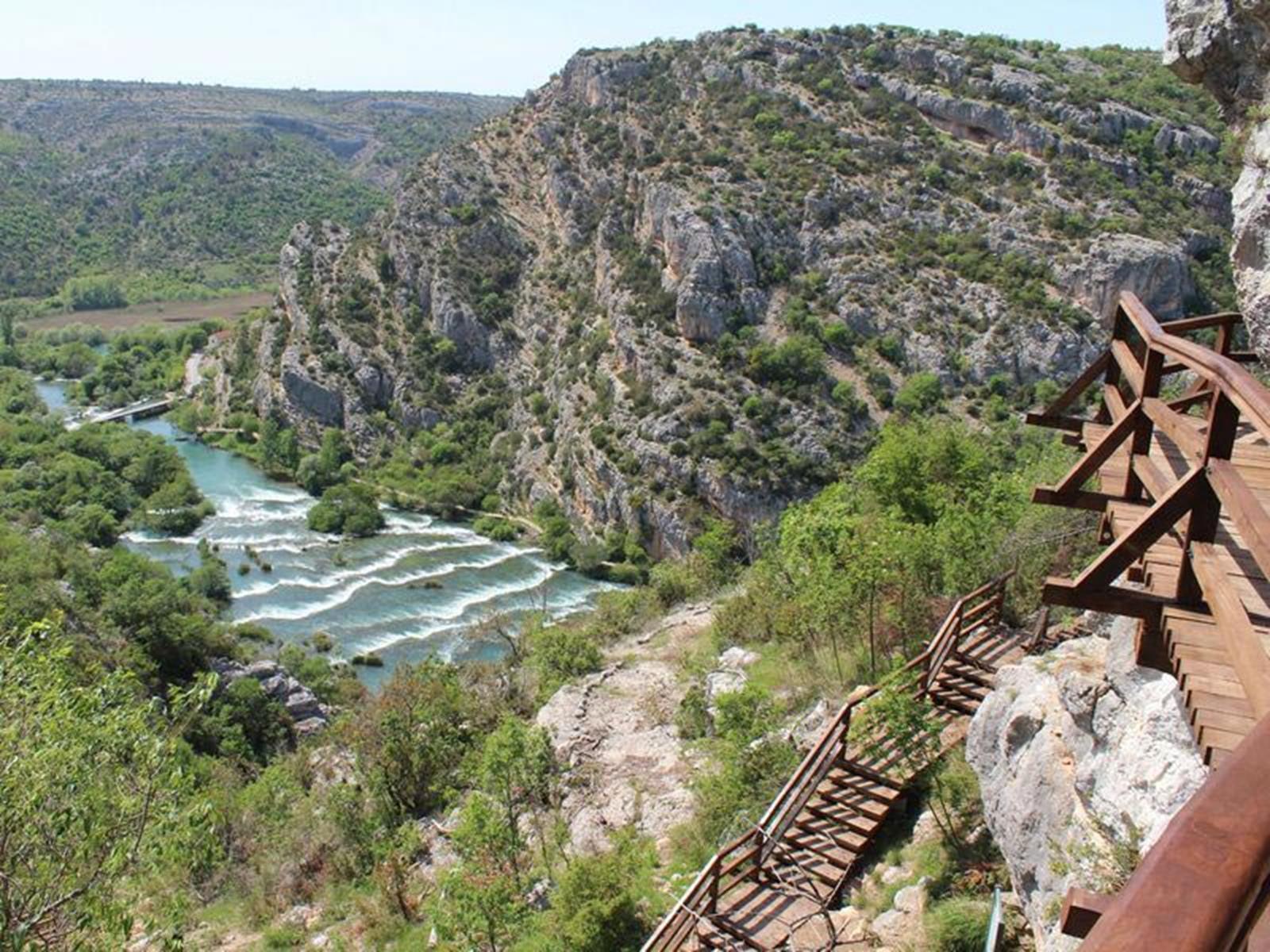
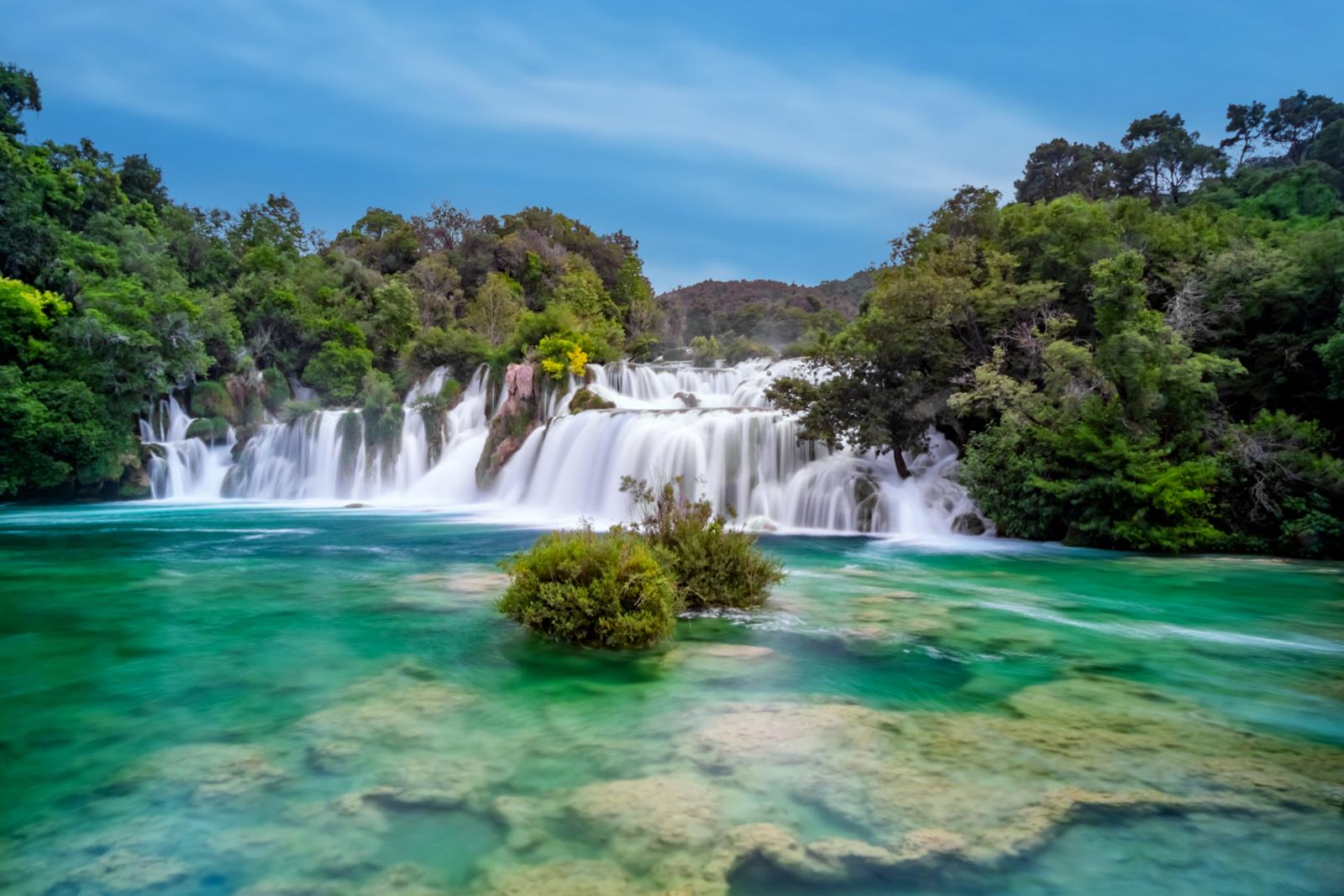
The Krka River forms one of the most attractive natural areas near Drniš.
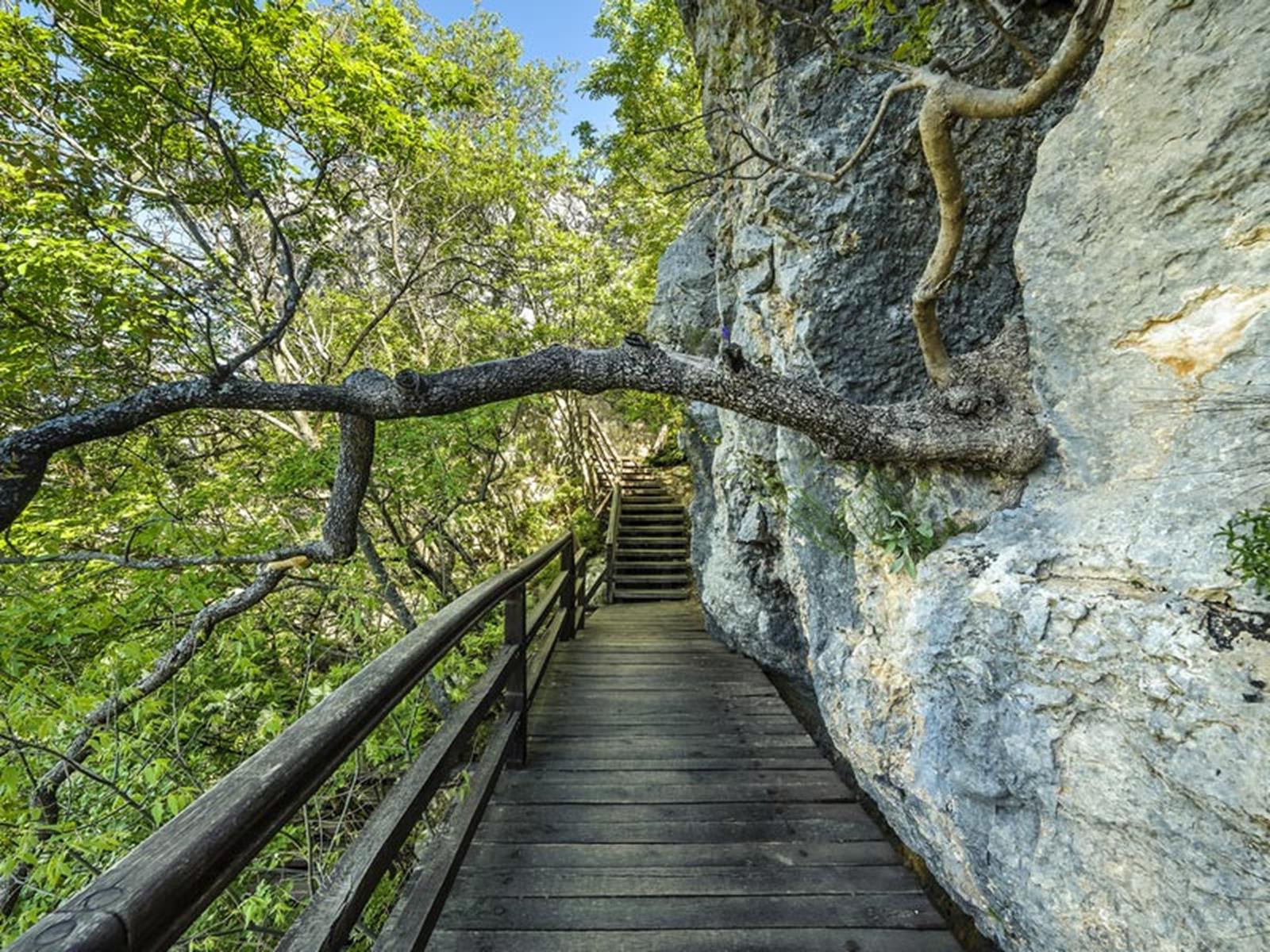
The area around Roški Slap and parts of the Krka canyon is connected with the Drniš region and offers views of travertine barriers, cascades and the typical forms of karst water. Here, the contrast between the dry hinterland and the strong presence of the river is clearly visible.
Paths and viewpoints allow visitors to walk along the river easily, without needing demanding hiking experience. The landscape changes with the seasons, making this area appealing throughout the entire year.
The proximity of the Krka River adds another level of natural diversity to Drniš and connects it with one of the most important river systems in Dalmatia.
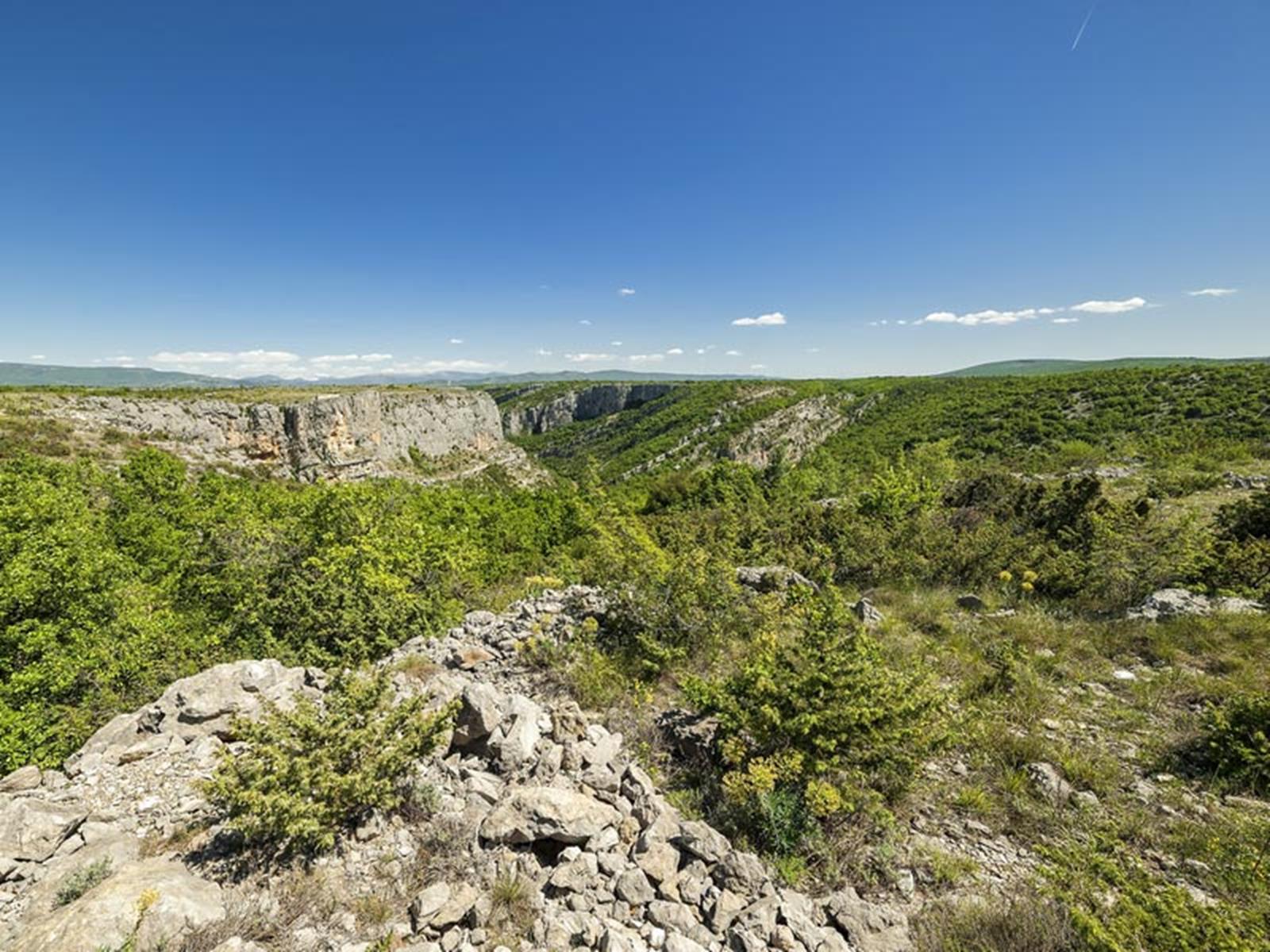
Karst and the natural forms of the hinterland
The karst terrain around Drniš forms the basis of its natural character.
In the surroundings of the town there are terraces, rocky plateaus and gently rolling hills that show the typical Dalmatian karst landscape. This environment creates a sense of openness and an authentic hinterland, far from the busy rhythm of the coast.
Vegetation adapts to the terrain: pines, low forest species and maquis intertwine with rocky surfaces. This forms natural scenes that are simple yet recognisable and stable throughout the year.
Such terrain is suitable for walking, cycling and exploring without strictly defined routes. The karst landscape highlights the natural simplicity of Drniš and emphasises its connection to the Dalmatian hinterland.