



Drniš is surrounded by extraordinary natural sights, from the mighty Promina and viewpoints overlooking the entire Zagora, to the dramatic Čikola Canyon, lakes, rivers and hidden trails that reveal untouched nature.
This is an area where hiking, cycling and nature exploration blend with rich tradition, Meštrović's artistic legacy and the authentic culture of local villages.
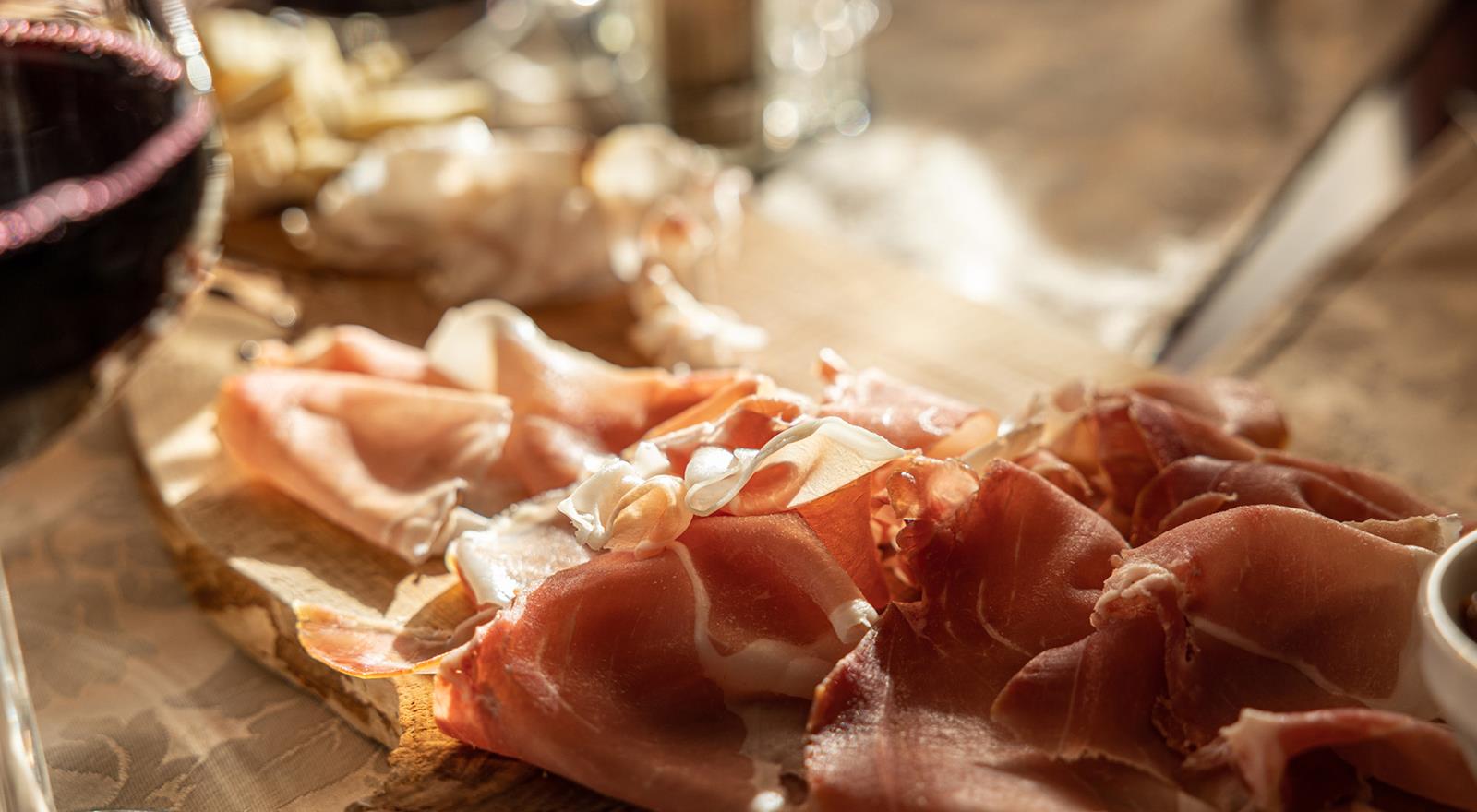
In addition to all this, Drniš prosciutto and local specialties give a special flavor to the region, which is best explored slowly, at the rhythm of nature and people.
Share




DISTANCES AND LOCATION
Drniš lies in a valley that brings together the Dalmatian karst, flowing waters, and the proximity of the sea into a unique landscape.
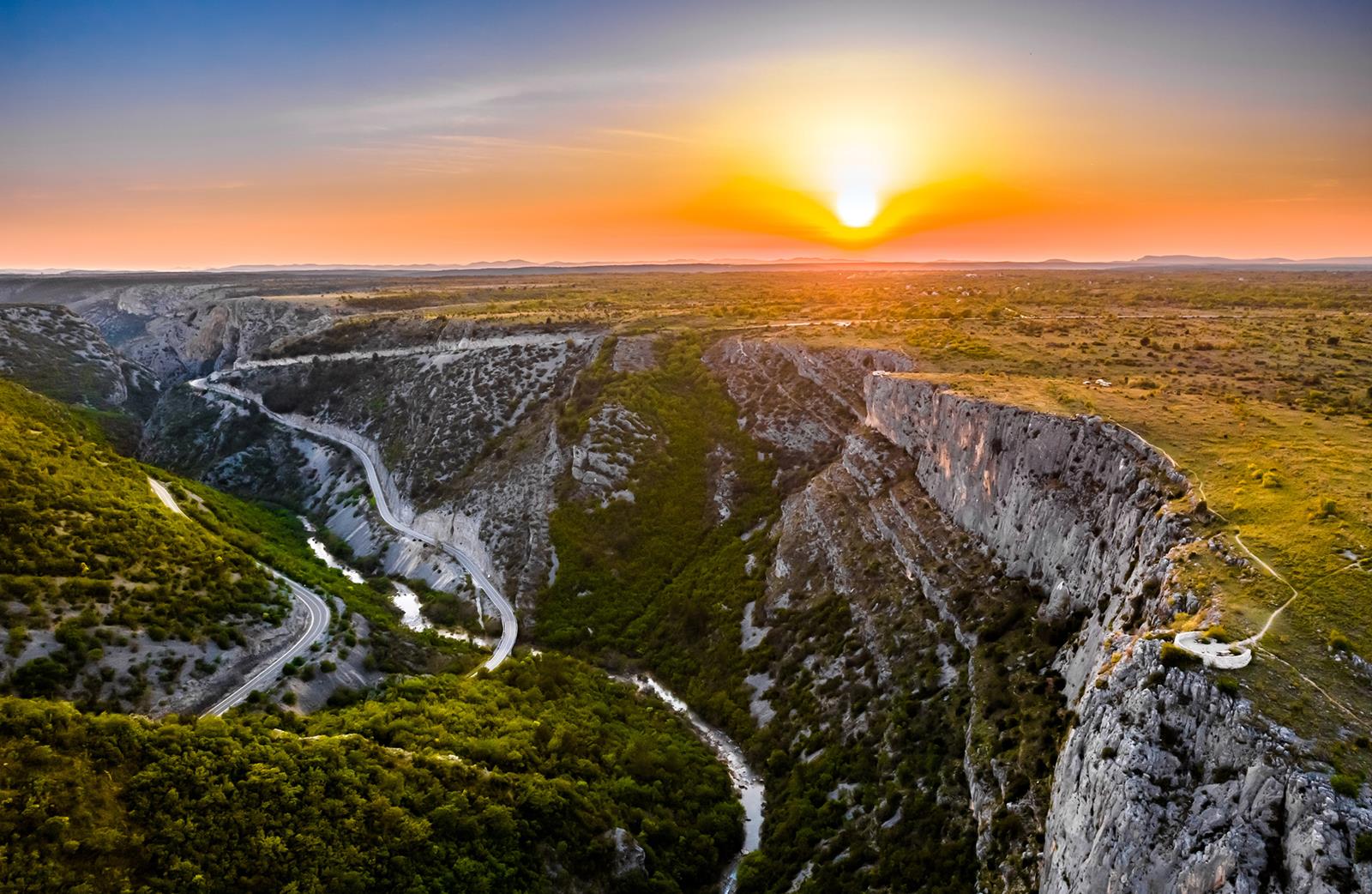
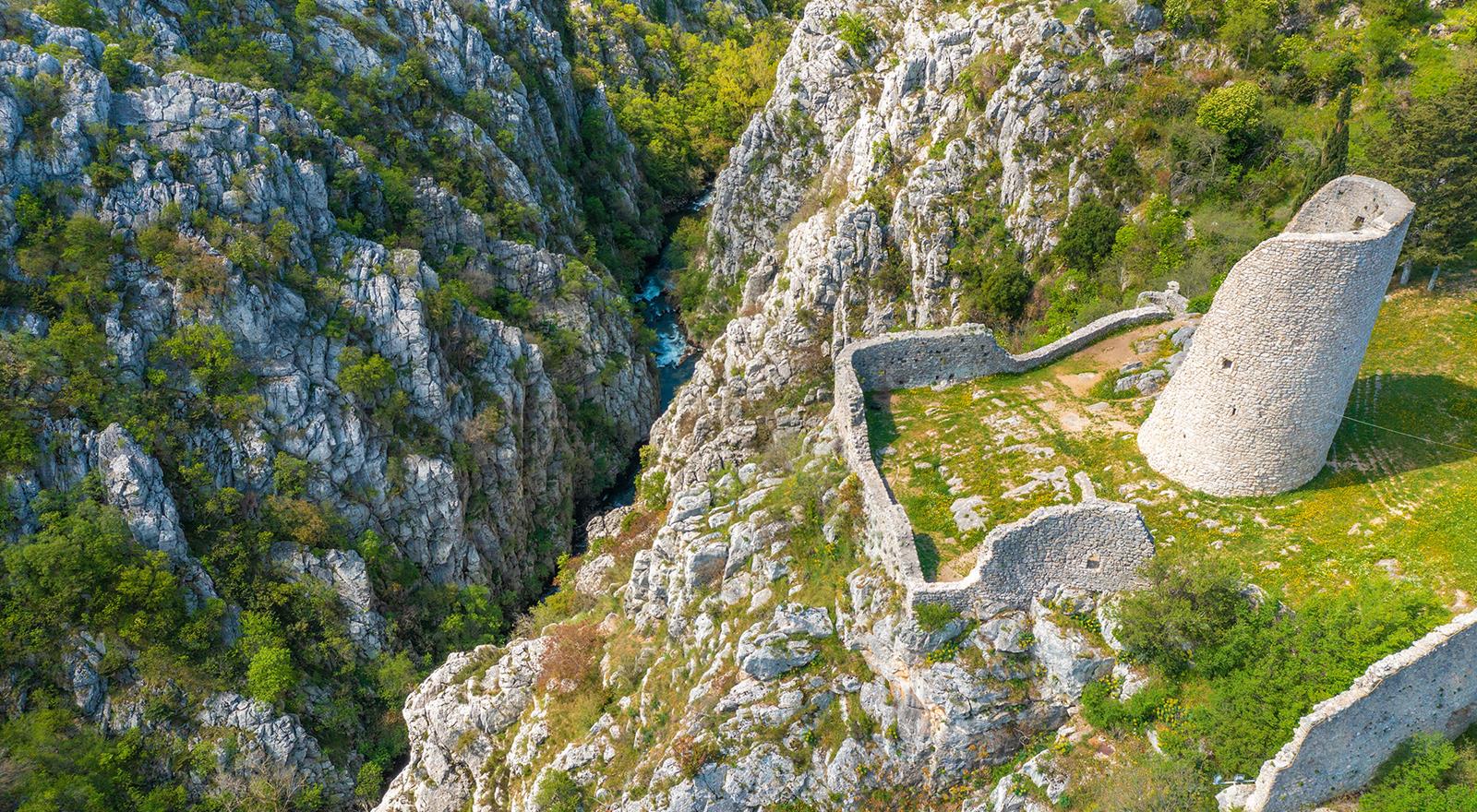
The town is set within a wide valley that feels like a peaceful oasis in the middle of the Dalmatian karst. It is surrounded by rocky slopes, hills, and plateaus that create a distinctive scenery, while rivers and underground streams pass through this karst terrain and shape the entire area. Thanks to its position, Drniš blends a sense of shelter with openness, offering views stretching towards Promina and the Čikola canyon.
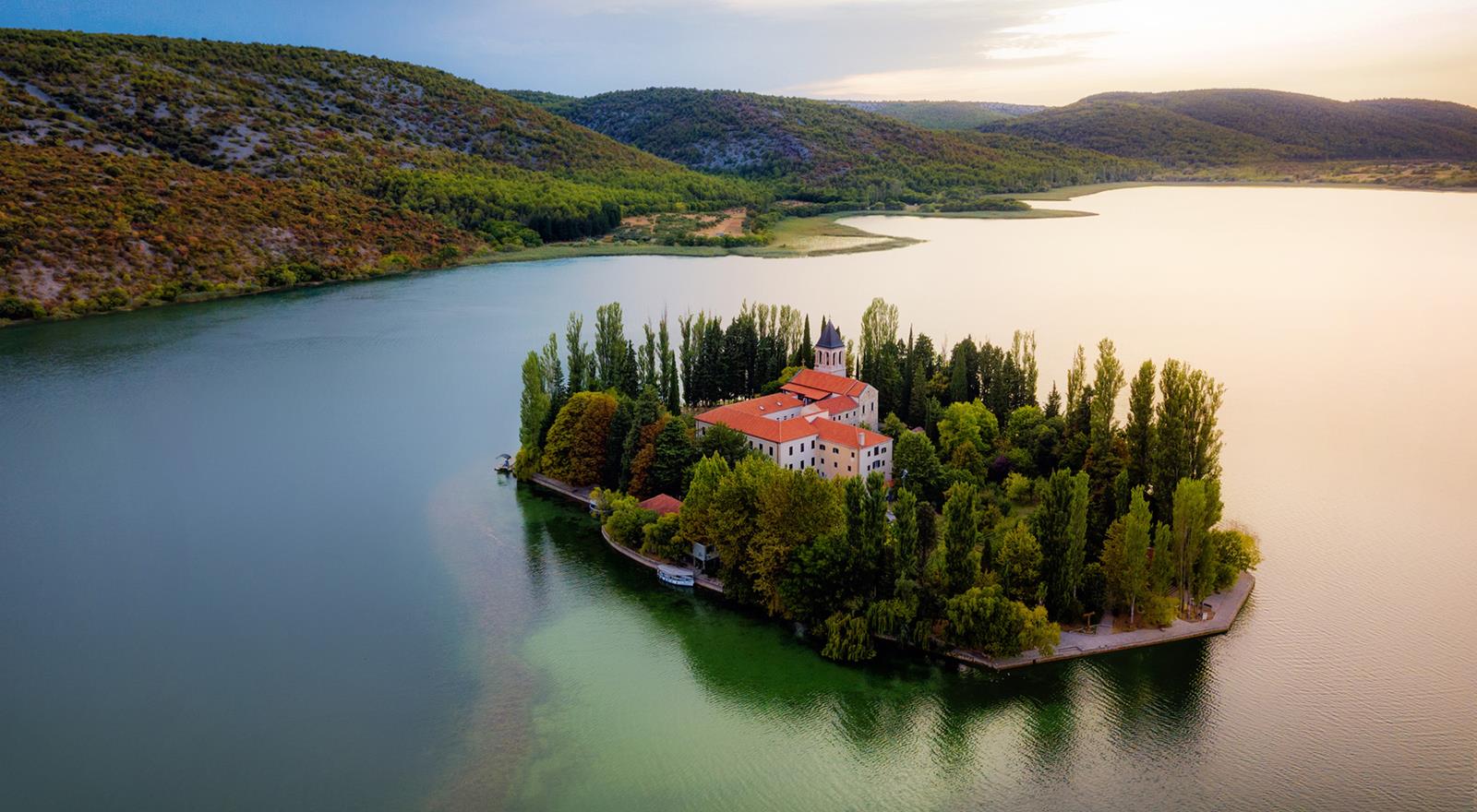
The surrounding area is rich in water sources, streams, and rivers that gradually flow towards Šibenik. This strong connection with water gives the region its particular rhythm from the heights around Promina to the dramatic parts of the Čikola canyon and the area near the Krka lakes. Everything is within a short drive, making Drniš an excellent base for exploring nature without long journeys.
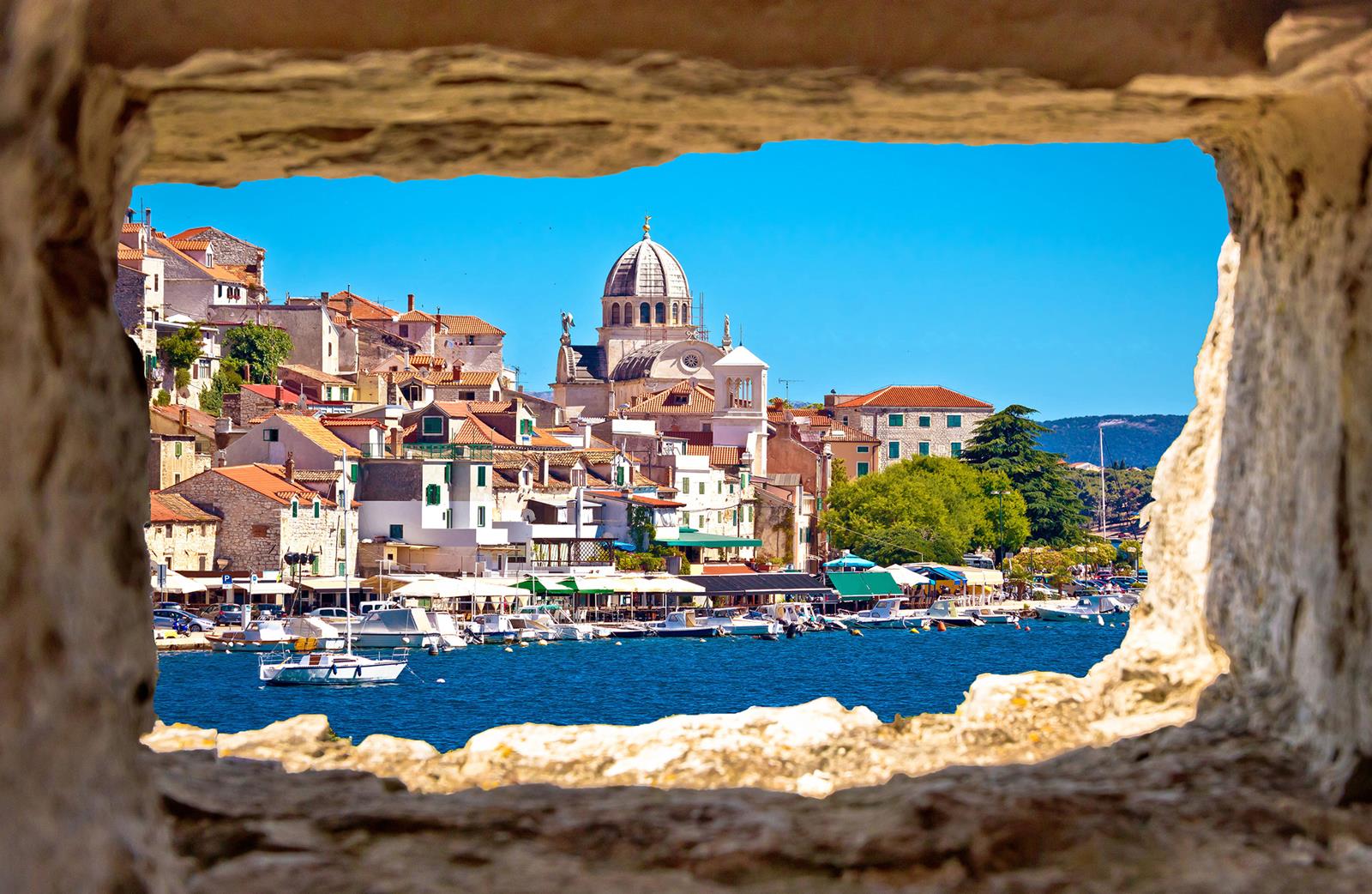
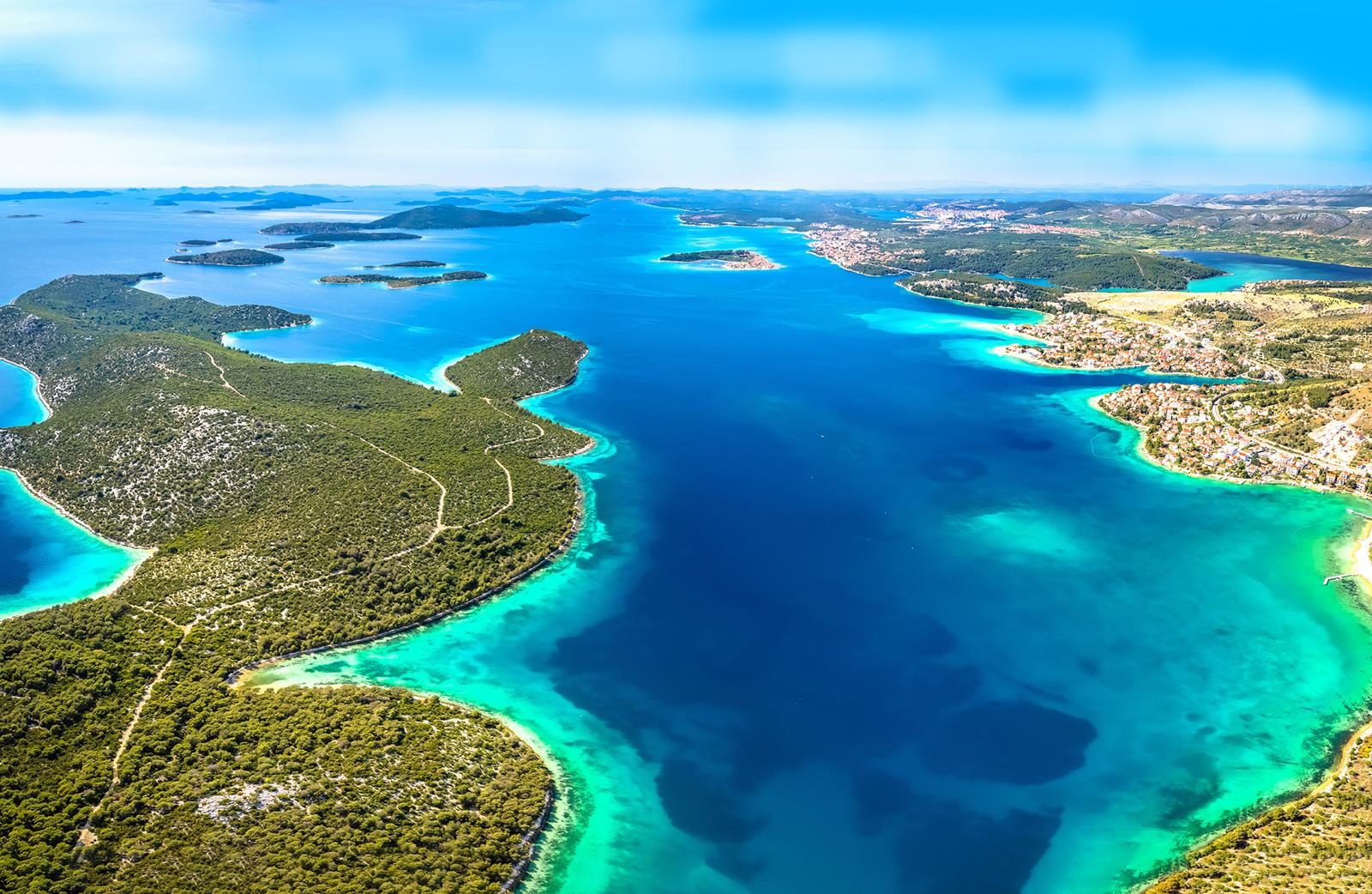
Although located inland, Drniš is surprisingly close to the sea. Šibenik and the first beaches are around a 30-minute drive away, and nearby are also the most famous attractions of this part of Dalmatia the Krka National Park, Roški Slap, Visovac, as well as numerous viewpoints and trails. Thanks to this position, visitors can enjoy the tranquillity of the inland part of Dalmatia while still reaching the coast and all its amenities very quickly.
FLAVOURS AND AROMAS
The cuisine of Drniš is rooted in simple ingredients and flavours that have shaped everyday life in this region.
Drniš is a place where food carries clear, traditional tastes created from local ingredients used for generations. Prosciutto, sheep’s cheese, and dishes prepared under the peka are part of a long-preserved tradition, with recipes passed down within families.
Cooking here is uncomplicated—the focus is on natural aromas and a slower preparation that gives each dish its recognisable character. In these meals, you can feel a connection to the landscape, the seasons, and the everyday life of the people who rely on ingredients sourced from their immediate surroundings.
Food in Drniš is best experienced through unhurried meals, without fuss or decoration, where the emphasis is on flavour and simplicity. Such meals offer a true insight into the local way of life and the authenticity of Drniš cuisine.
WINE AND OLIVES
Wine and olive oil in the Drniš region grow out of tradition and the karst landscape that shapes both their flavour and the way they are produced.
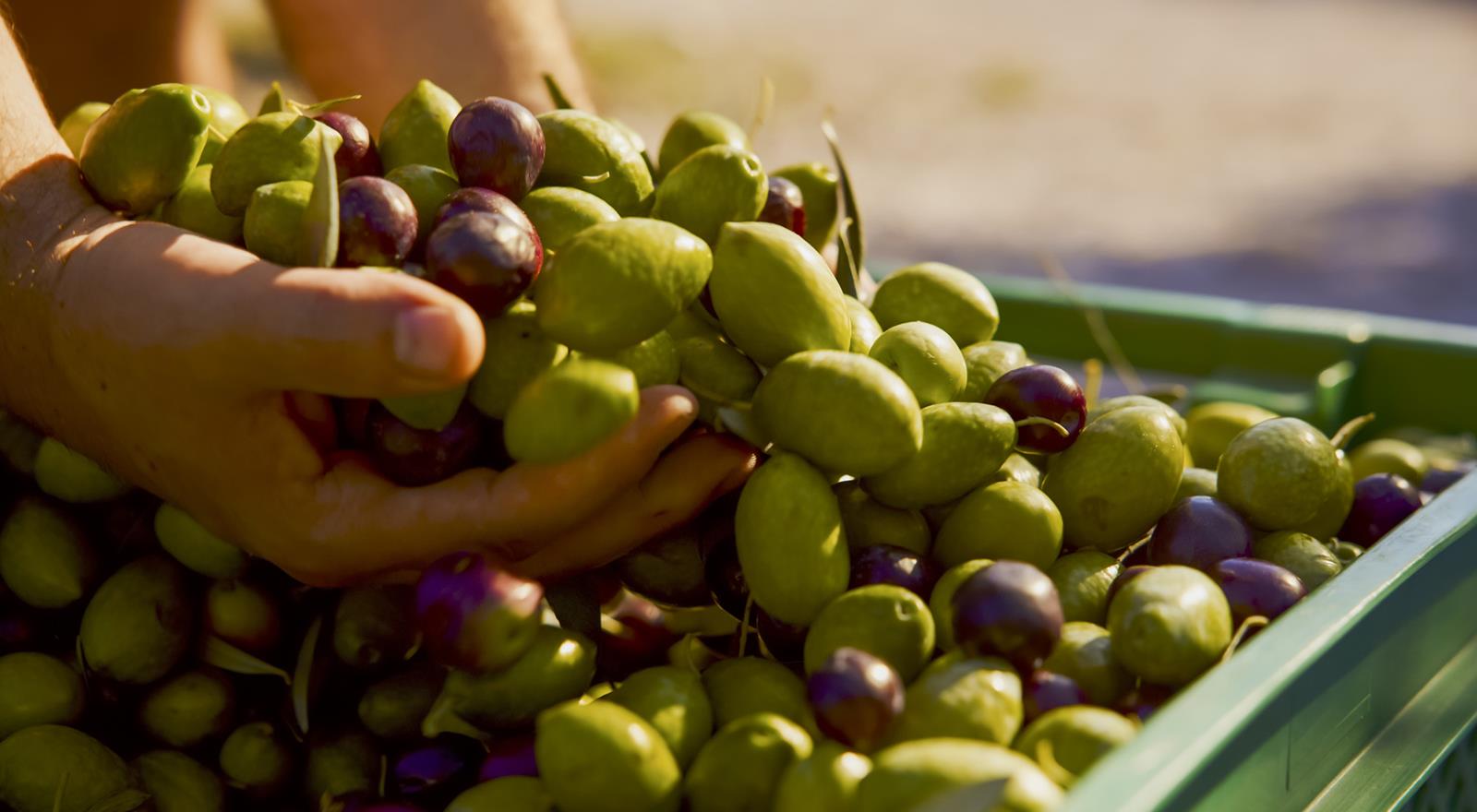
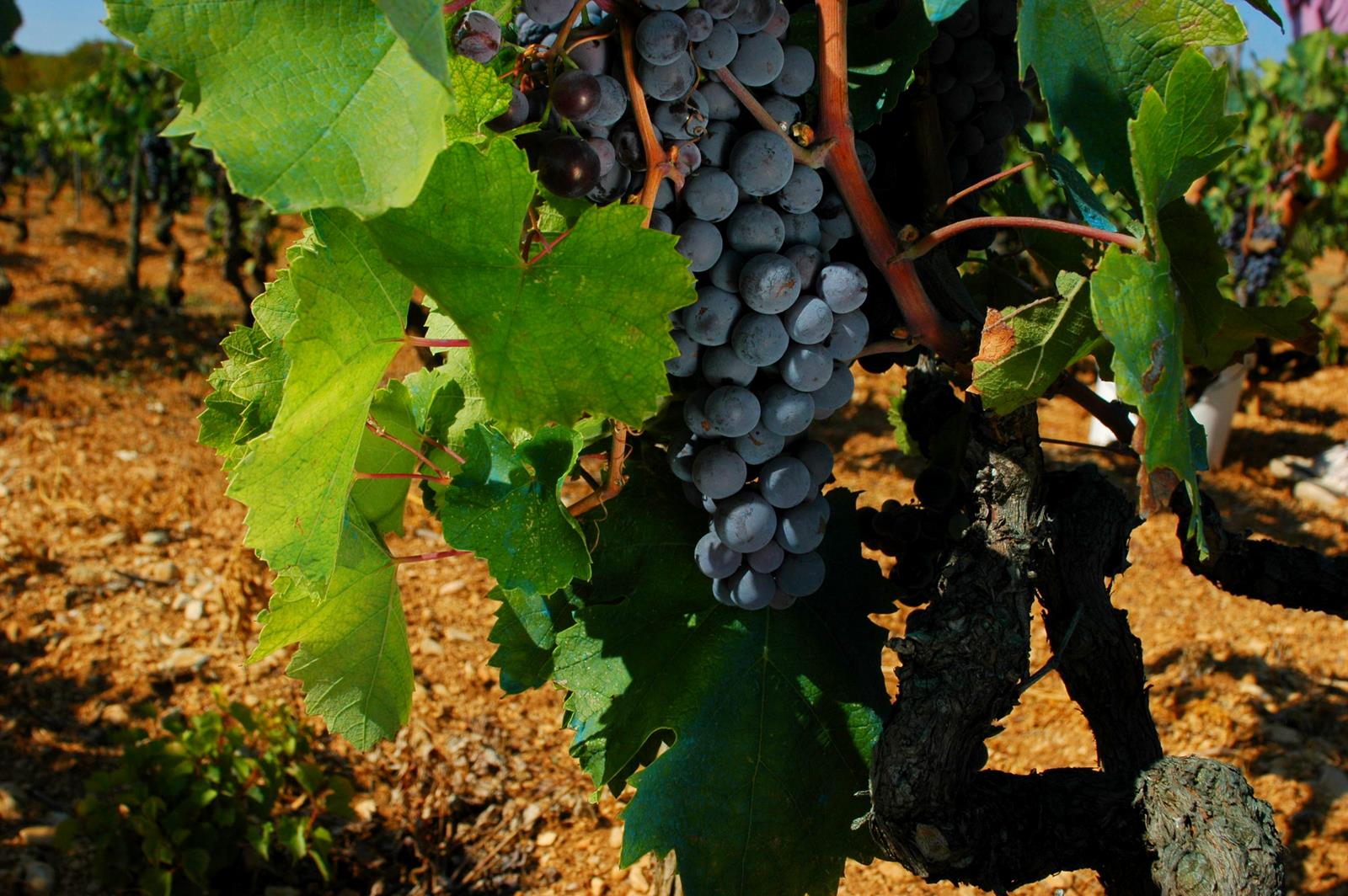
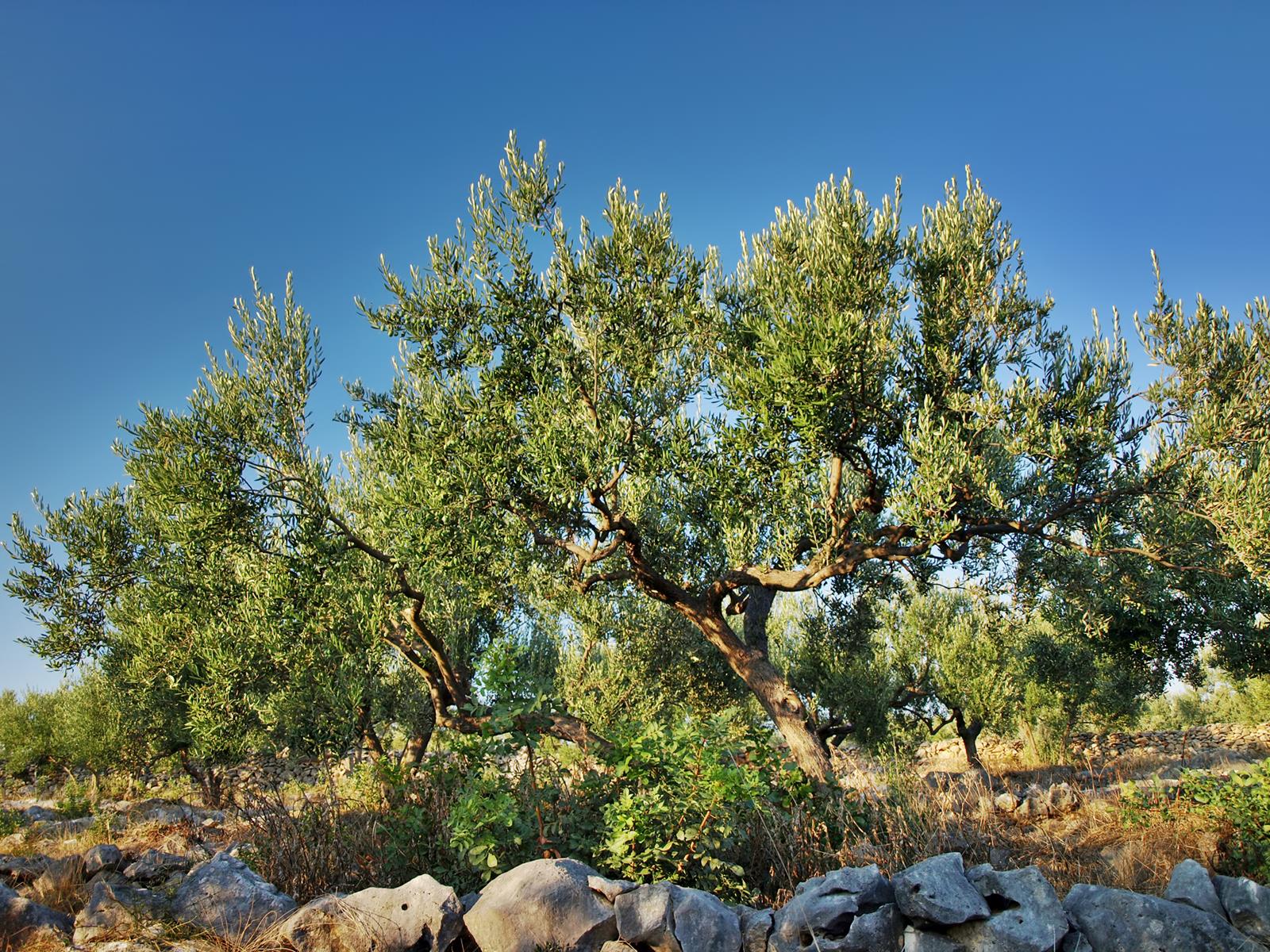
The Drniš area is known for its wines and olives, which thrive on rocky soil influenced by the bura wind and the dry inland climate. Varieties such as Lasina, Plavina, Maraština, and Debit are grown here, while olive groves often occupy terraces and slopes where cultivation adapts to the stony terrain and limited soil.
The wines have simple, clear aromas that reflect the climate and soil of this region. The olive oils are usually mild, clean, and straightforward, used alongside homemade food and forming a natural part of everyday meals. Together, they represent a way of eating that has developed over long periods and remained closely tied to local habits.
In this region, wine and oil are not trends or special attractions—they are part of everyday community life. They continue a long-standing connection with the land, with gardens, fields, and olive groves that have shaped the diet and customs of the people of Drniš.
TRADITION AND CULTURE
Drniš is a place where tradition and culture naturally continue from one generation to the next.
The traditions and culture of Drniš have developed over long historical periods, which can be seen in its old streets, historical sites, and everyday life. Through its architecture, the layout of the settlement, and the way space is used, the influence of past eras is still recognisable.
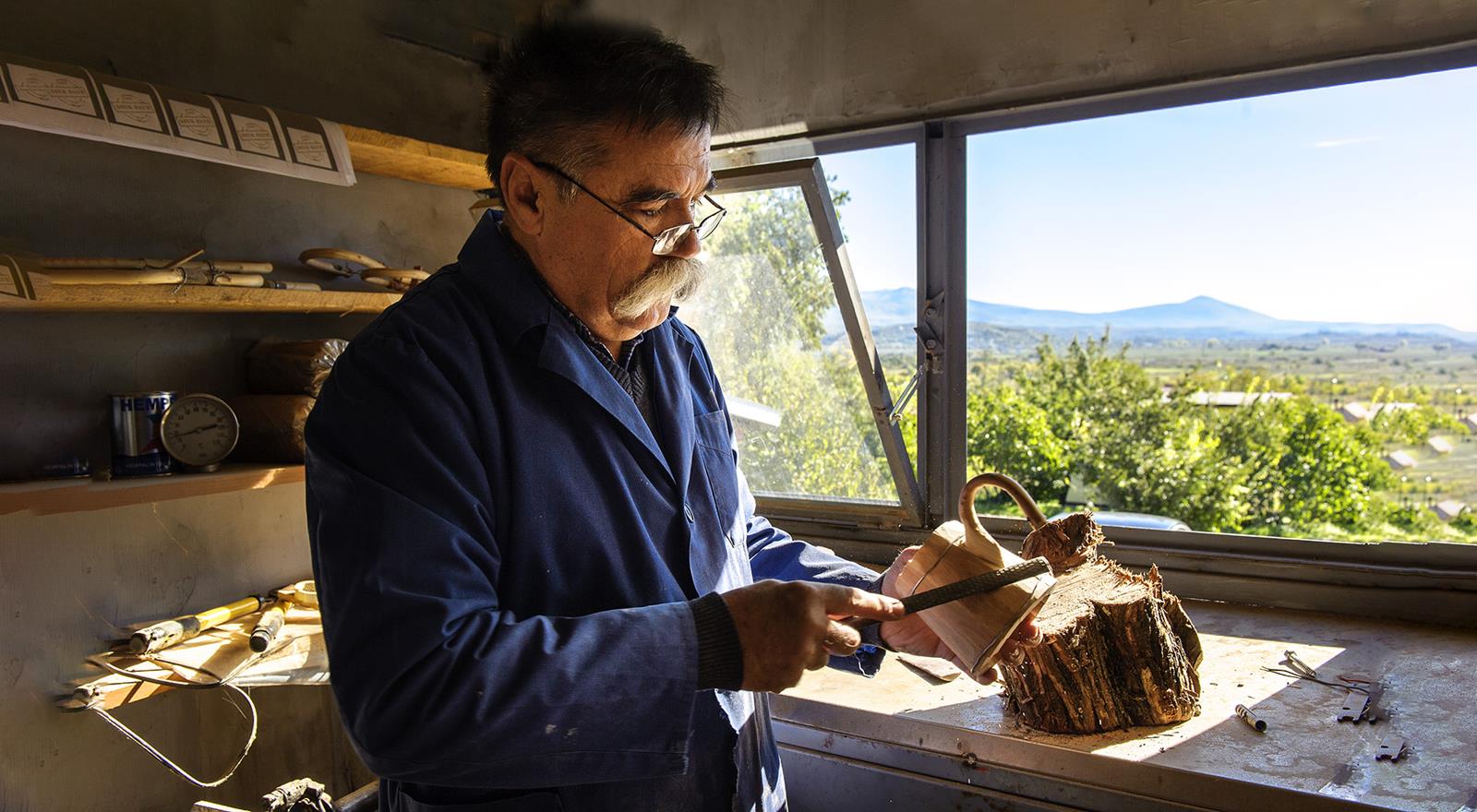
The cultural identity is rooted in customs, music, dances, and architecture that reflect life in the Dalmatian hinterland. Local music, traditional dances, and the simple, sturdy forms of construction are part of the heritage that has been preserved to this day and can be seen in various events and gatherings.
Heritage is maintained through museum collections, historical traces, and events that connect the past with the present. In Drniš, tradition is a natural part of the environment and daily life, requiring no special emphasis and remaining close to its original forms.
NATURAL ATTRACTIONS
The Drniš region is known for a natural landscape that brings together mountains, karst, and waterways into a simple yet striking whole.
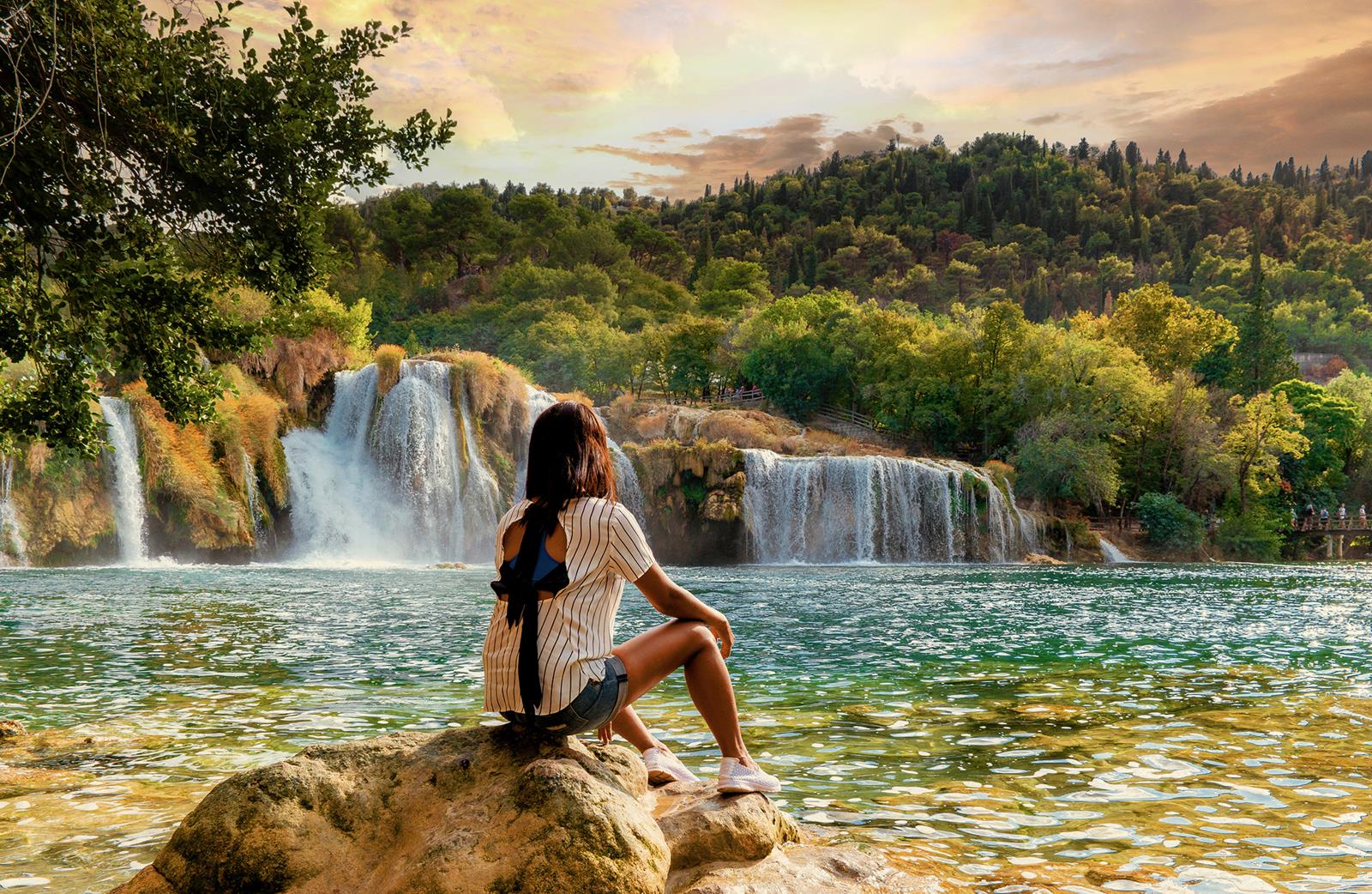
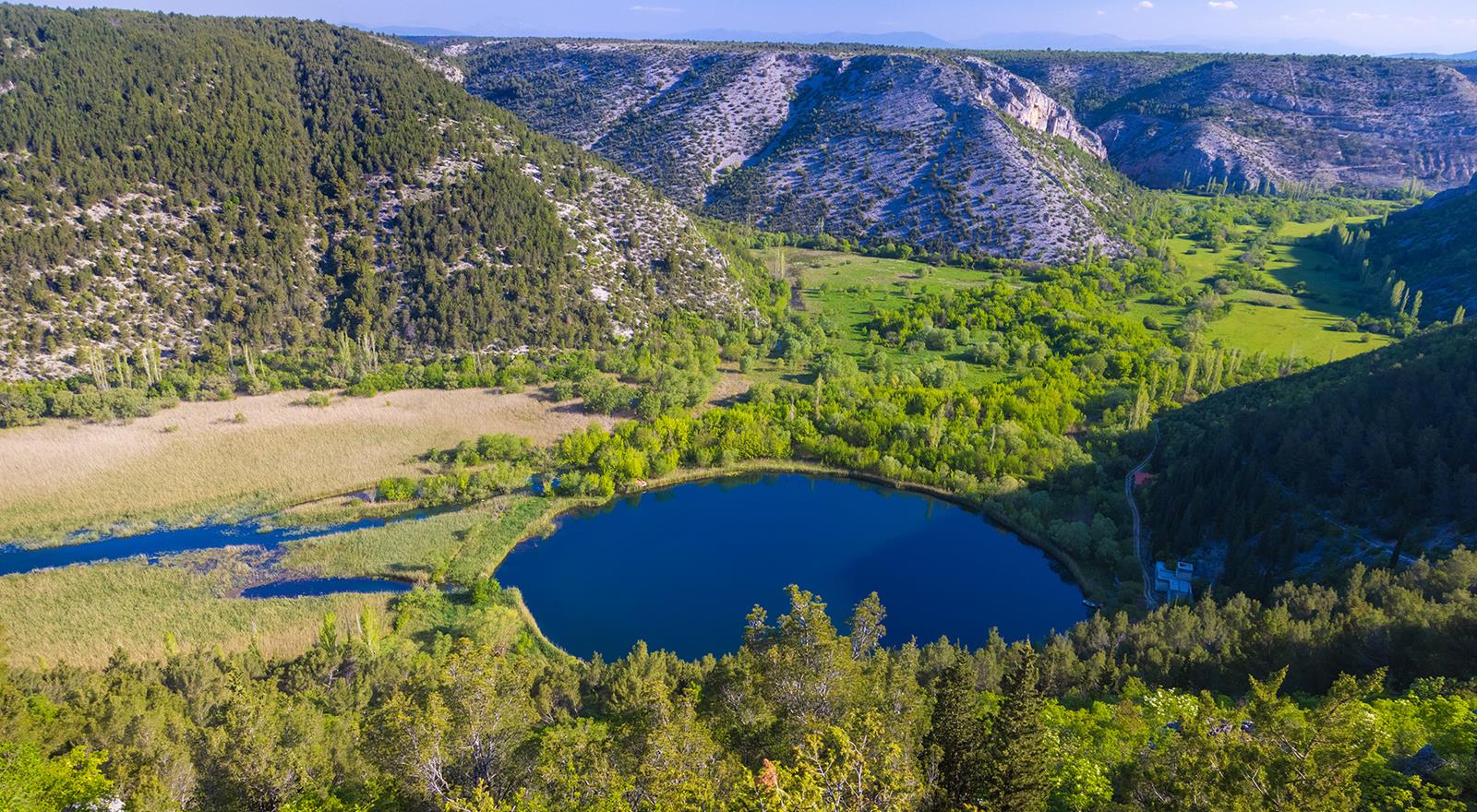
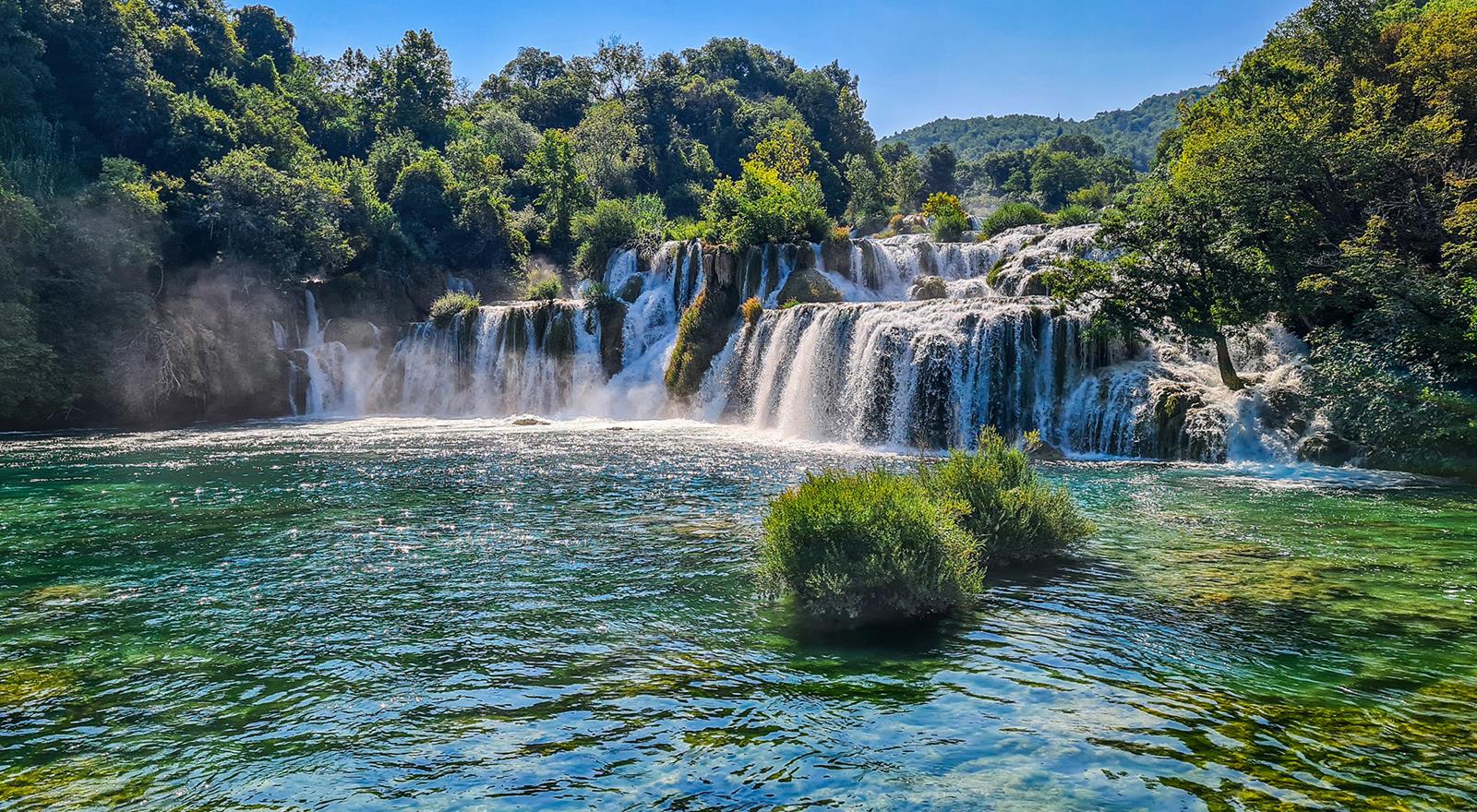
The natural beauty of this area is shaped by the combination of mountains, karst formations, and river zones that surround the town. The most distinctive feature is Mount Promina, while the Krka River and its waterfalls create a completely different, water-rich landscape that becomes visible just a few minutes’ drive from the town.
This region stands out for its variety from rocky terraces and viewpoints to canyons, forests, and flowing waters. Nature here is not heavily arranged or adapted; instead, it preserves its original, straightforward character, showing what this landscape looks like in its natural form.
Such a combination gives Drniš a unique atmosphere, recognisable to everyone who finds themselves between the mountain and the river. The openness of the landscape, the shifts in terrain, and the closeness of water create an environment that is easy to understand and even easier to experience through short walks, viewpoints, or drives through the surrounding area.
HISTORICAL SITES
The history of Drniš is recognised in its surroundings, through the buildings and traces that have remained part of everyday life.
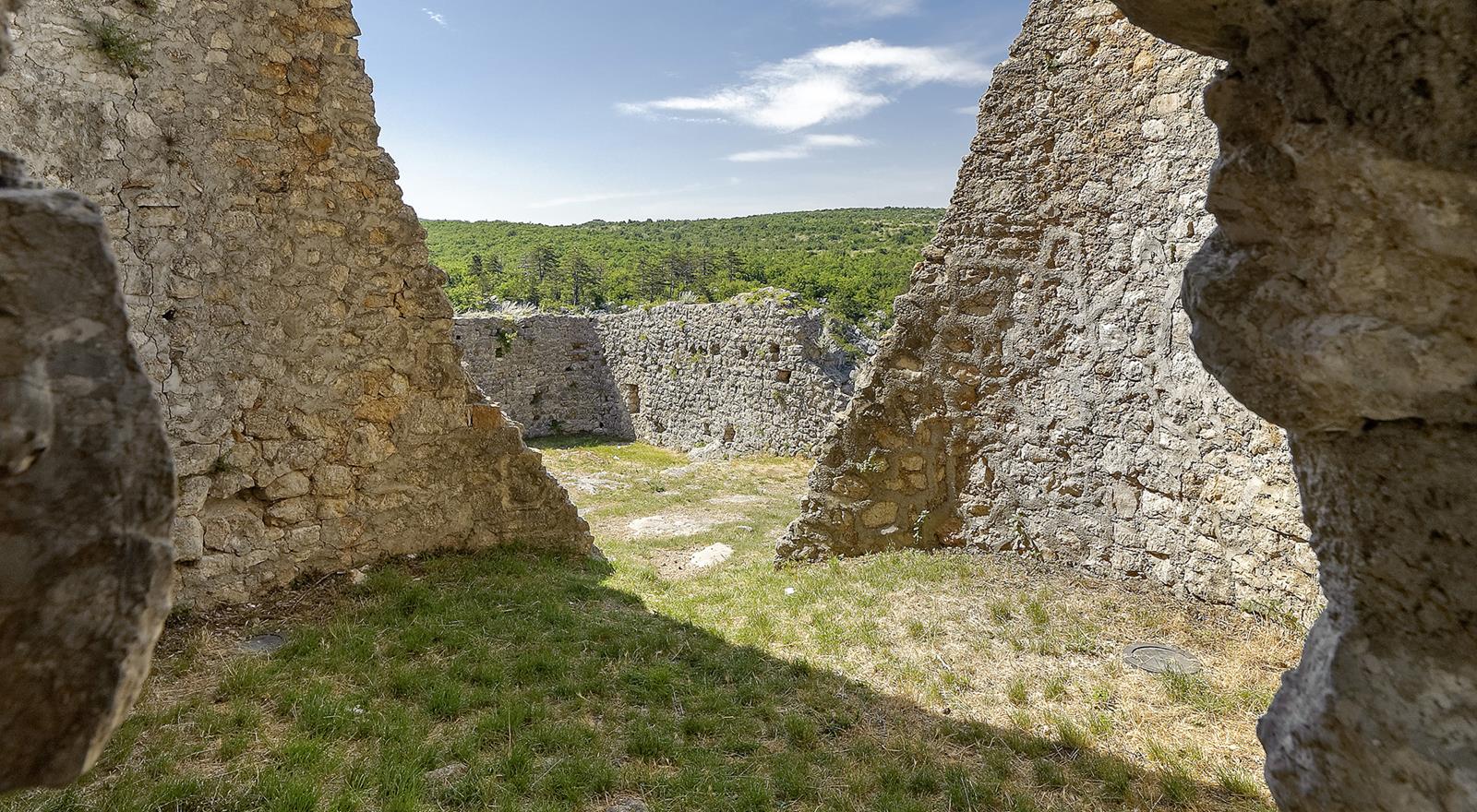
The town’s past is visible in its fortifications, sacred sites, and stone structures of the hinterland. These elements clearly show how the town developed through different periods and how it preserved the characteristics of life in the Dalmatian interior.
Structures such as the Gradina and the old defensive system, along with churches, the minaret, stone huts (bunje), and dry-stone walls, preserve the story of a landscape that has changed over time but has never lost its original forms. Each of these structures carries the imprint of the era in which it was created, reflecting the relationship between people and the land around them.
In Drniš, history is not separated from everyday life—it forms a natural part of the landscape and the community’s identity. It is seen in the environment, the paths, the settlements, and the details that recall the past while remaining in use and alive in the present.
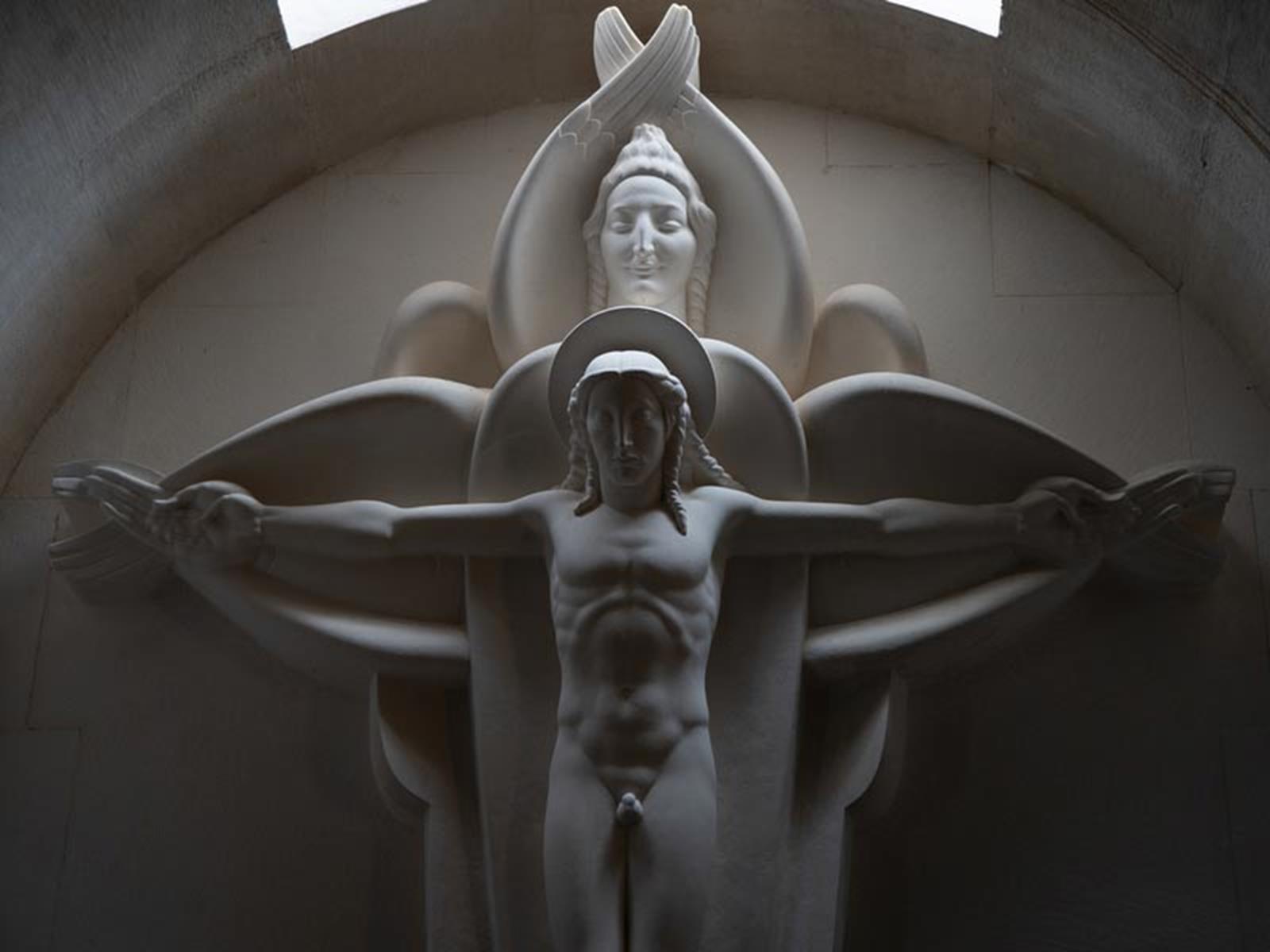
IVAN MEŠTROVIĆ
Ivan Meštrović left a distinctive mark on the Drniš region through works that connect the artist with the landscape from which he came.
Born in the village of Otavice near Drniš, Meštrović’s early impressions of space, materials, and art were shaped by this very region. Although he built his career in major European centres, his bond with his homeland remained strong and is clearly visible in the places and works he left here.
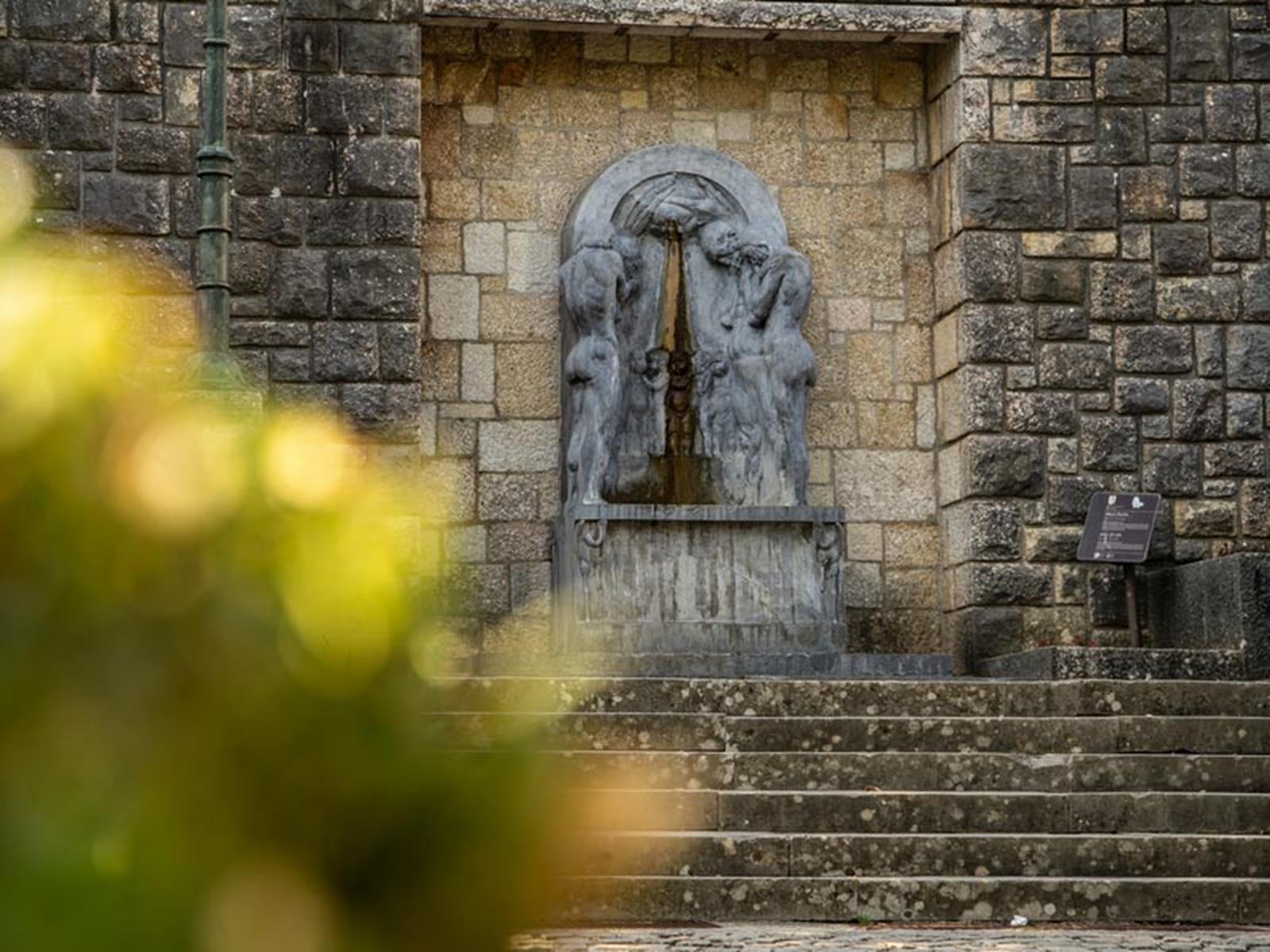
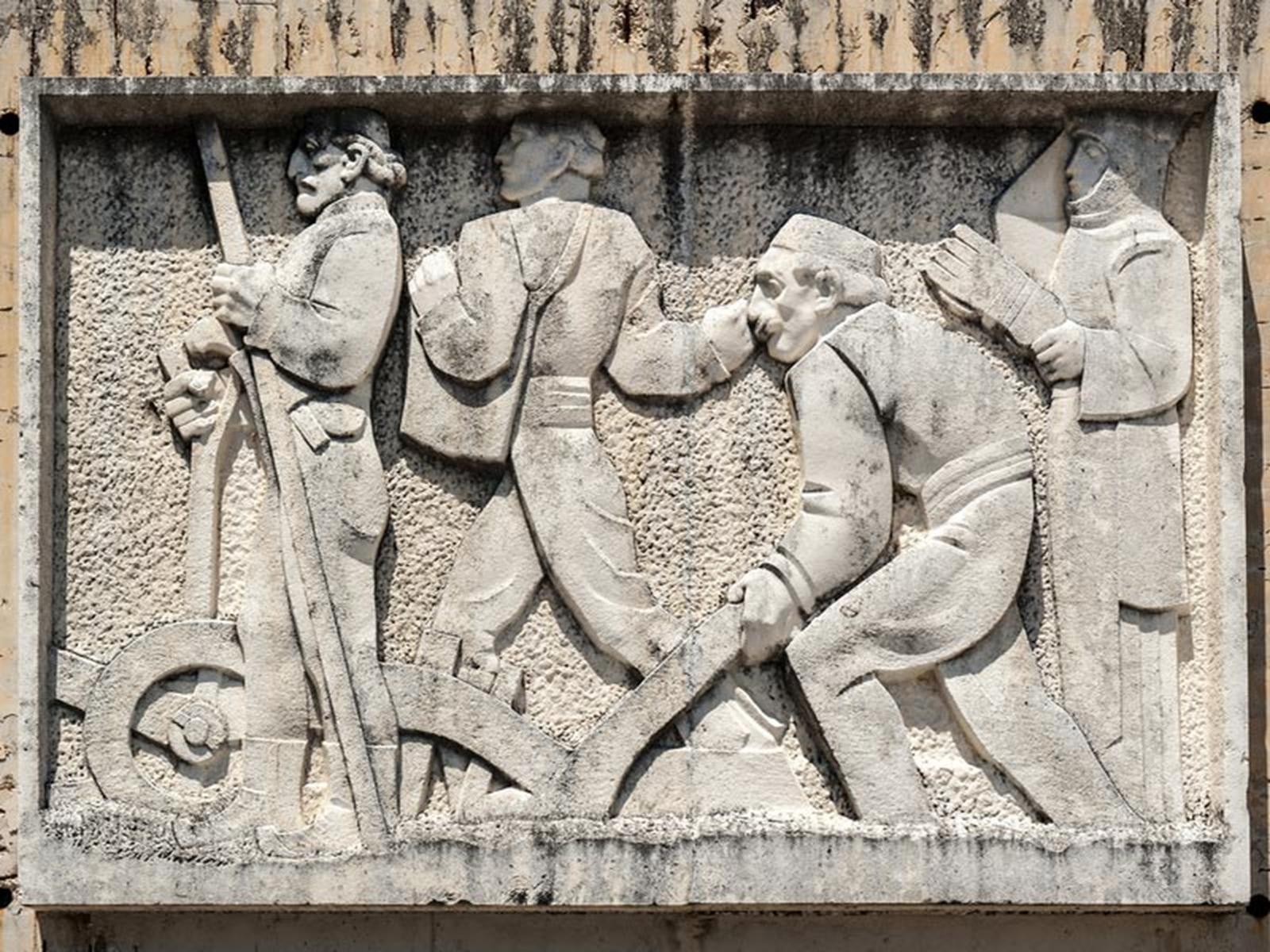
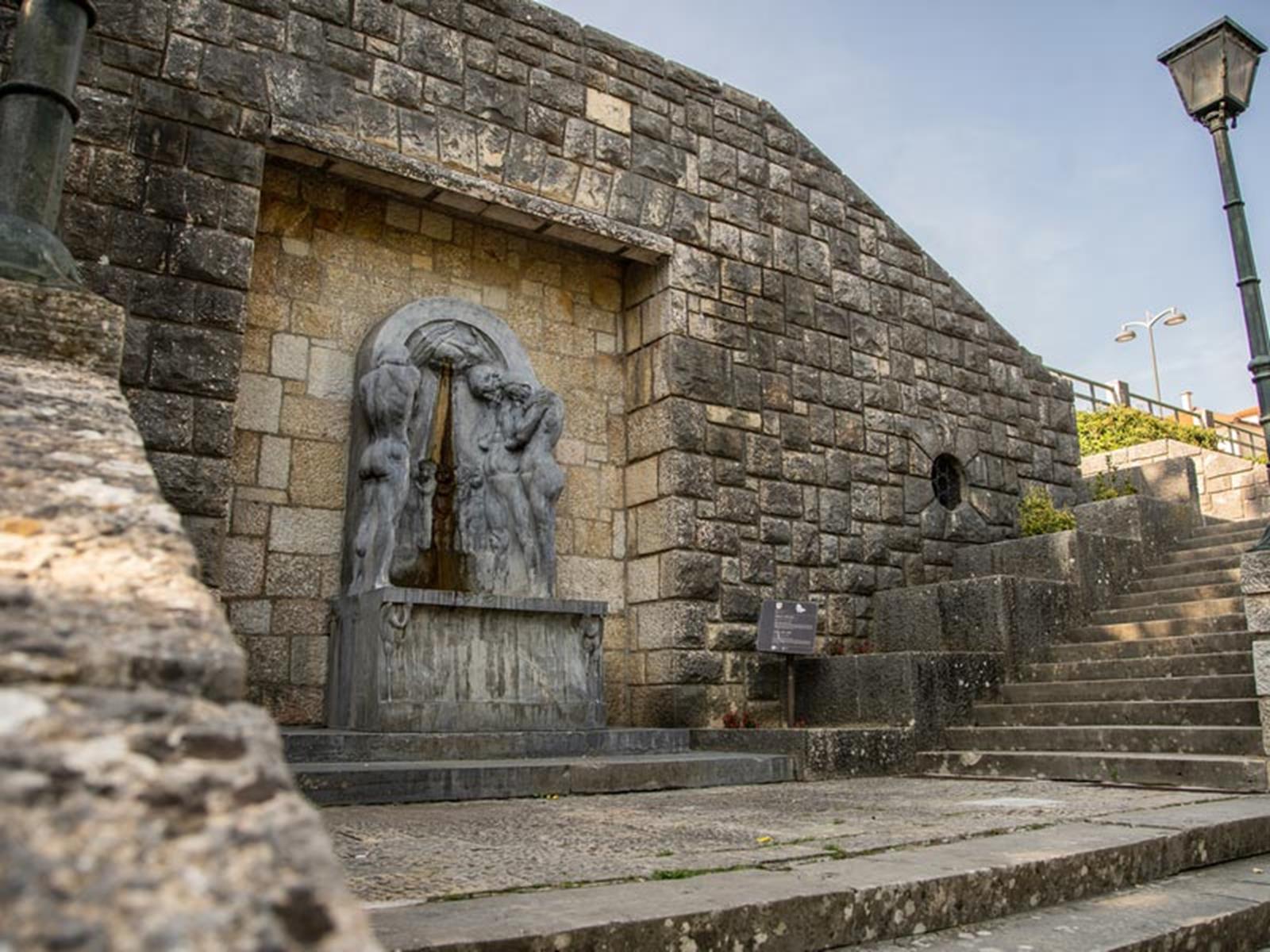
In Drniš, many of his works can be seen today as part of the local cultural heritage. The Town Museum preserves sculptures, drawings, and reliefs, while several sculptures are displayed in public spaces, making art a natural part of everyday life in the town. Each of these works links an internationally recognised artist with his native landscape.
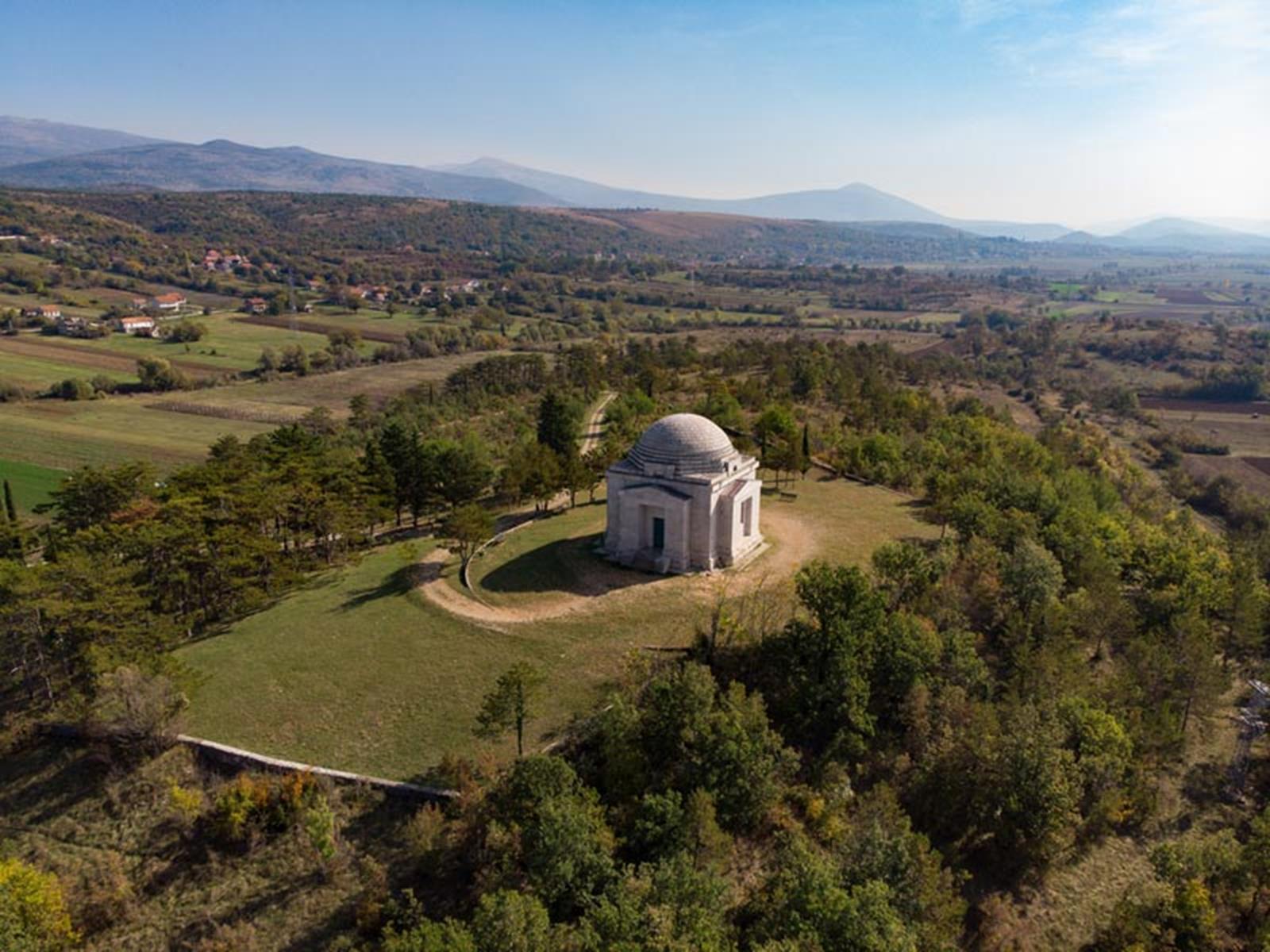
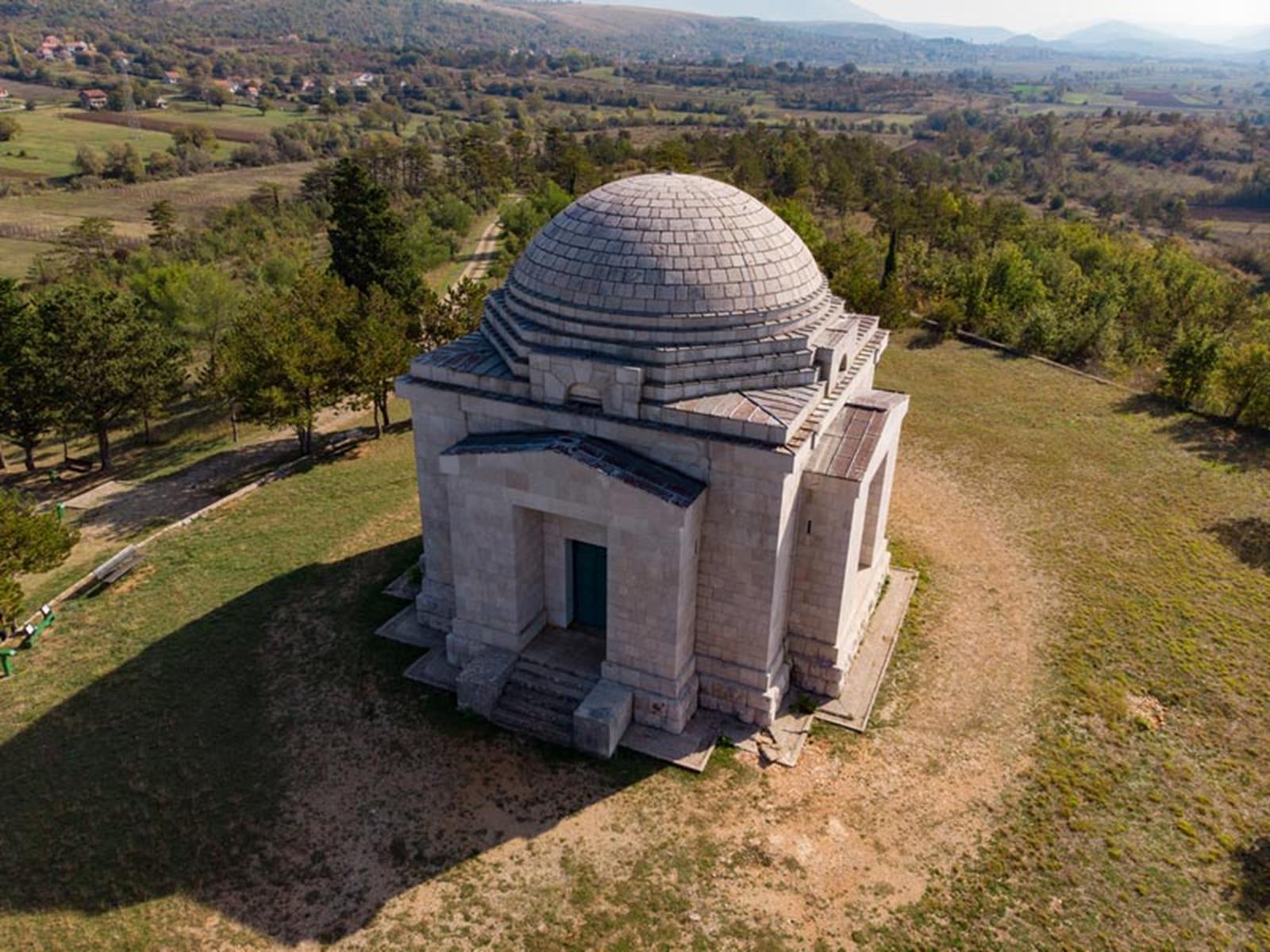
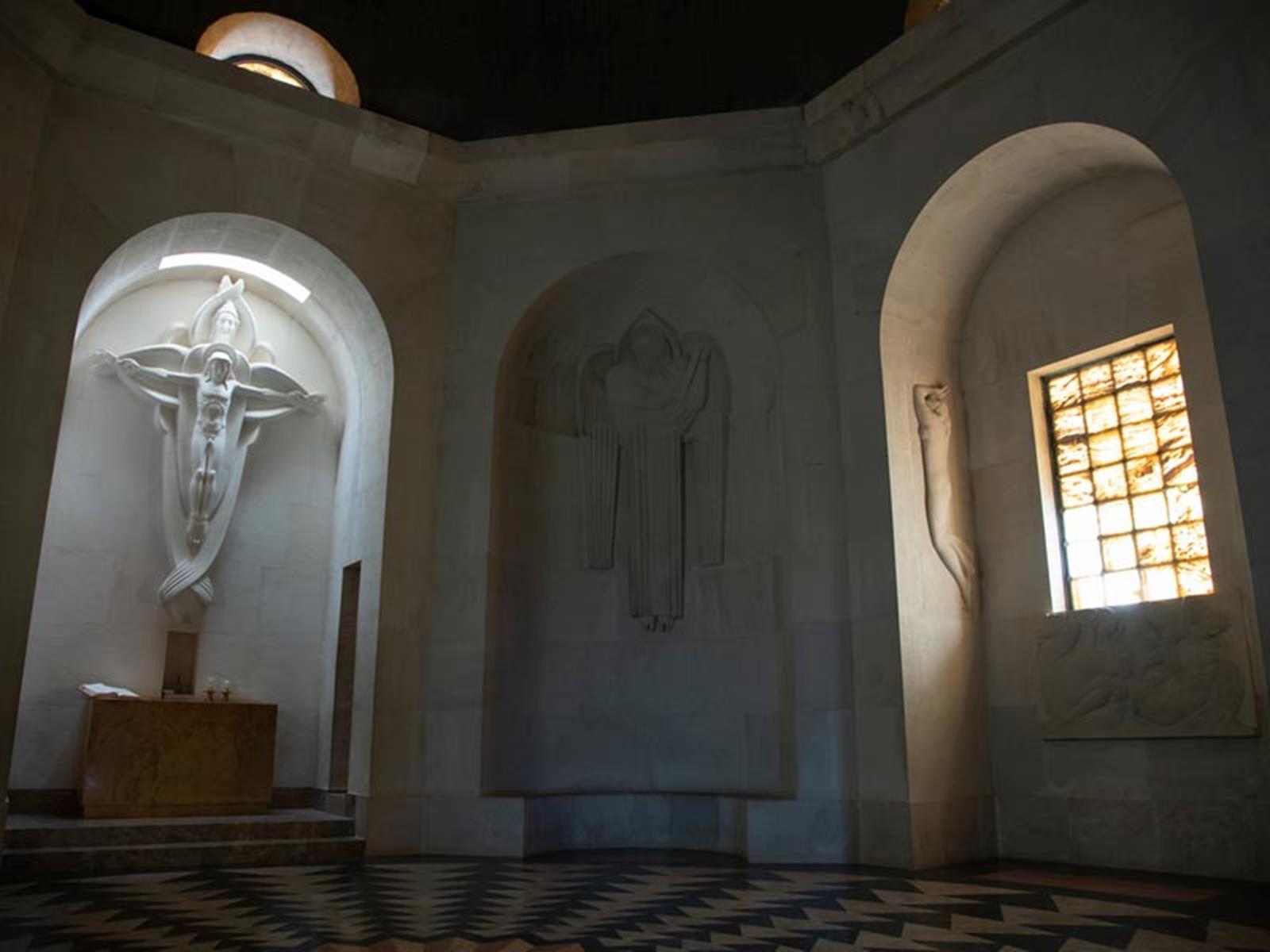
The most significant part of Meštrović’s legacy in this region is the church–mausoleum in Otavice, an architectural and sacred work he designed himself. Its simple form and integration into the landscape reflect Meštrović’s relationship with space and tradition, and represent one of the most valuable features of the cultural heritage of the Drniš area.